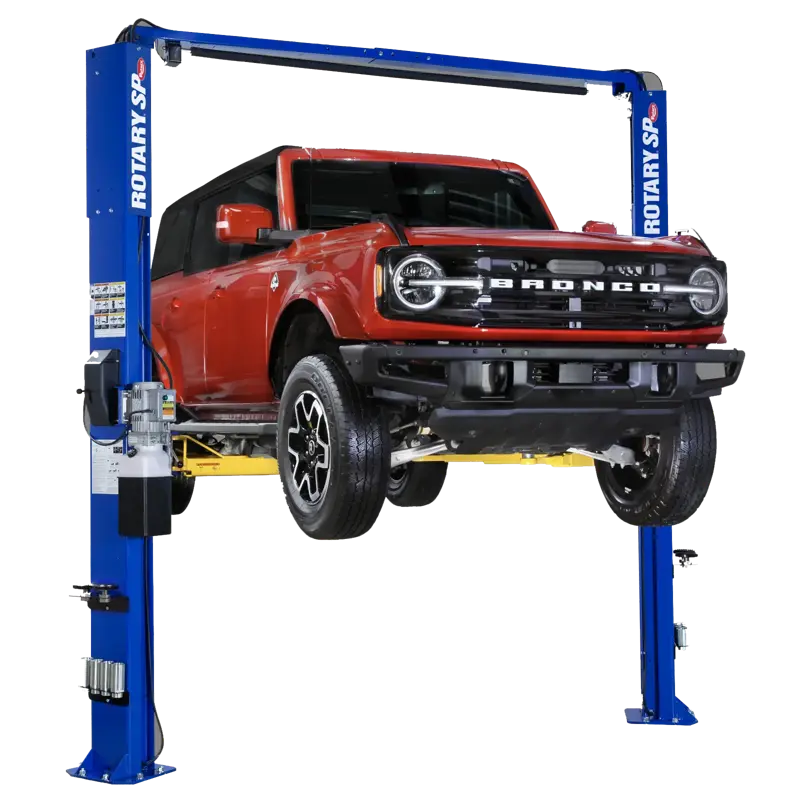
Atlas 2-Post 10,000 lb Lift
The backbone of any serious shop.
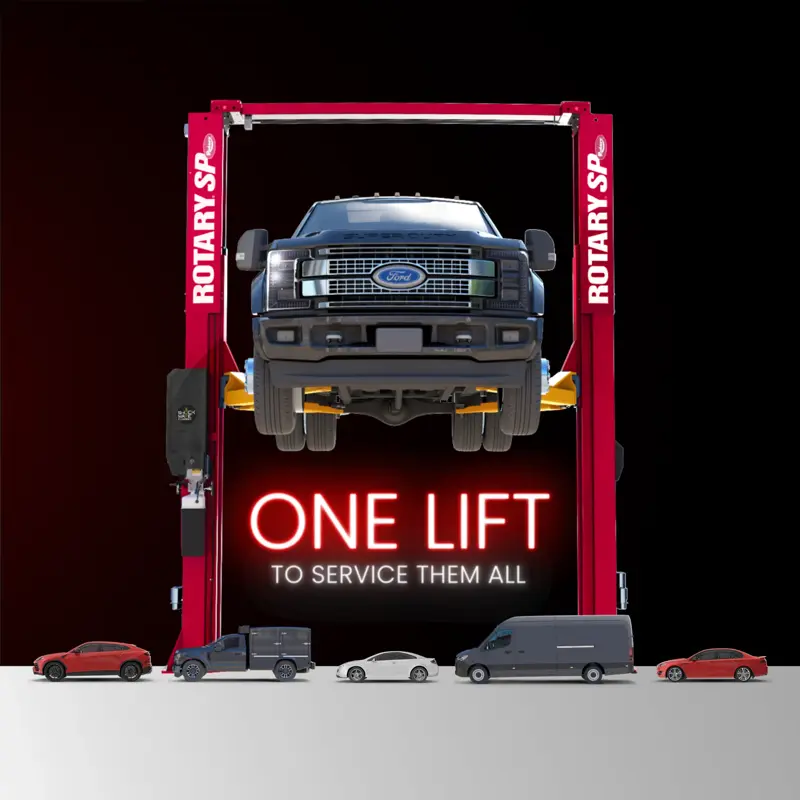
Professional-grade 2-post lift with 10,000 lb capacity. Asymmetric arms, floor-plate design, fits standard ceiling heights.
- 10,000 lb rated capacity
- Asymmetric arm design for door clearance
- Floor-plate mounted — no overhead beam
- Automatic arm restraints
- Single-point safety lock release
- 220V single-phase power unit included
- Stackable adapters included
- ALI/ETL certified
✓ In Stock — Ships in 5-10 business days
Request a Quote
We respond within 24 hours — pricing, availability & shipping included
Quote Request Received
Thanks! We'll get back to you within 24 hours with pricing, availability, and shipping details for the Atlas 2-Post 10,000 lb Lift.
| Rise | 69 inches |
| Motor | 220V single-phase, 2 HP |
| Arm Type | Asymmetric 3-stage |
| Capacity | 10,000 lbs |
| Warranty | 3 years structural, 1 year parts |
| Certification | ALI/ETL listed |
| Overall Width | 137 inches |
| Overall Height | 143 inches |
| Drive-Through Width | 102 inches |
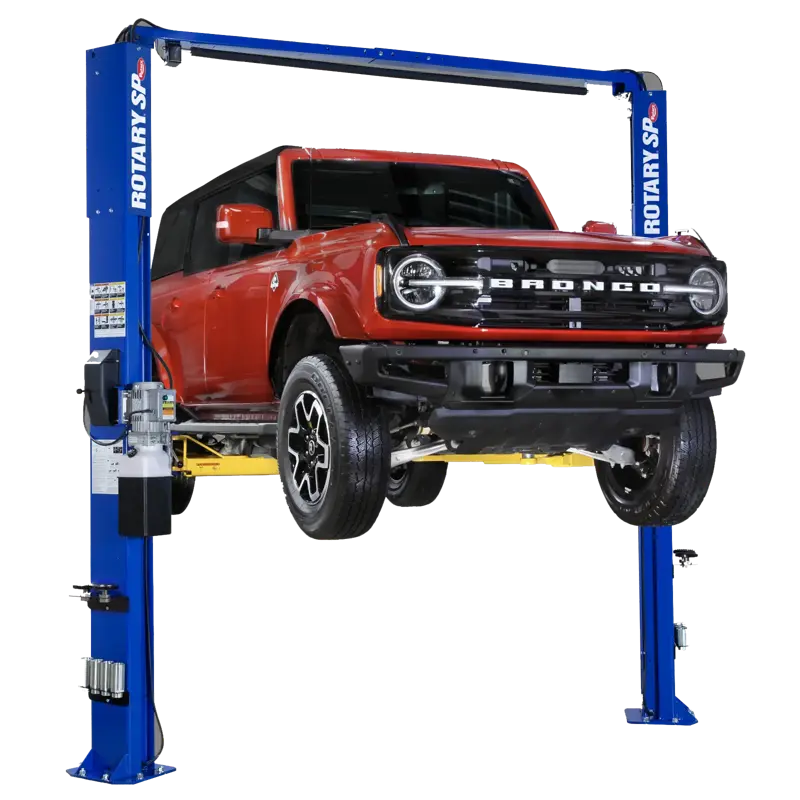
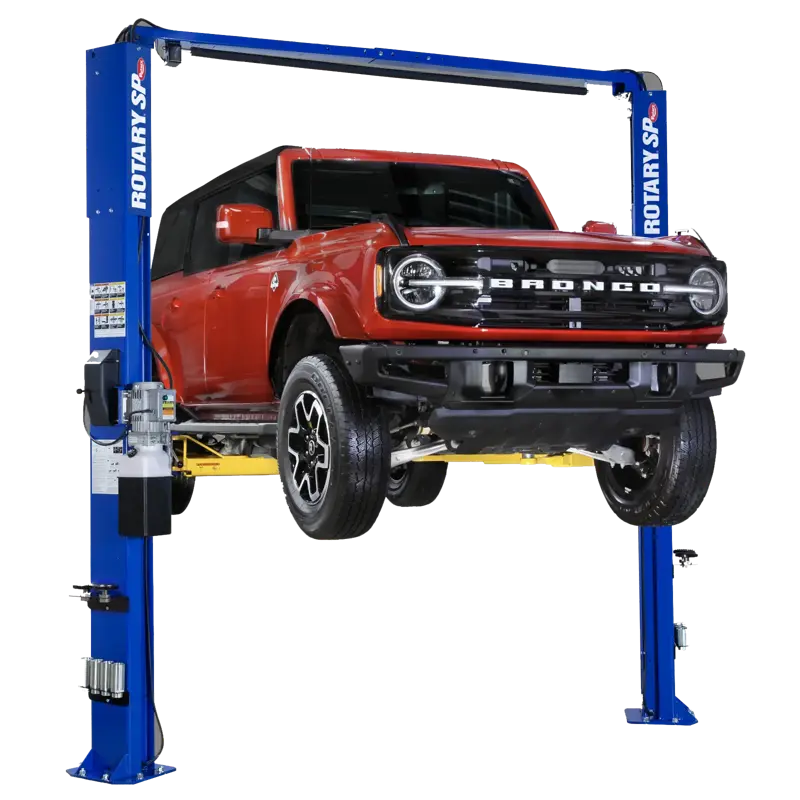
Multi-angle views of the Atlas 2-Post 10,000 lb Lift. Click any image to zoom.
Watch the Atlas 2-Post 10,000 lb Lift in action — full installation and operation demo.
Two-post lifts use a single-point hydraulic system with equalizing cables to raise both carriages simultaneously. The control panel is typically mounted on one column within easy reach of the operator.
Power Unit
Single-phase 110V or 220V electric motor drives a hydraulic pump. The motor runs only while lifting — it switches off automatically at full height or when you stop pressing the raise button.
Raise / Lower
A two-button pendant or wall-mounted control box operates the lift. Hold "Up" to raise, press "Down" to lower. Most models lower via a gravity-controlled valve — you can feather the speed by tapping the button.
Safety Lock Release
Mechanical ratchet locks engage automatically every few inches as you raise. Before lowering, press the safety lock release bar or button to disengage all four locks simultaneously. Never lower without releasing locks first.
Swing Arms
Telescoping inner and outer arms swing out and adjust to position pads under vehicle pinch-weld points. Screw the pad adapters up or down to make solid contact. Lock each arm with the knurled safety collar before lifting.
⚙️ Automatic Ratchet Locks
Mechanical ratchet teeth engage every 1–2" as the lift rises. The locks are spring-loaded and cannot be bypassed — they engage automatically even if power is lost mid-lift.
🔗 Aircraft-Grade Cables
Equalizing cables are typically rated at 3–5× the lift's total capacity. Cable sheaves are oversized to minimize bend fatigue. Replace cables at the manufacturer's recommended interval.
🚫 Overload Protection
Thermal overload on the motor trips if the lift is loaded beyond rated capacity, stalls, or runs continuously. The lift will not operate again until reset — preventing damage to the hydraulic system.
🛡️ Swing Arm Restraints
Safety collars or pin locks on the swing arms prevent them from rotating under load. Always ensure each arm's collar is tightened and the safety pin is engaged before raising the vehicle.
How does this compare?
Most shops run a 9K or 10K 2-post as their daily driver. The Atlas beats comparables from similar brands on drive-through width (102″ vs 96″) while matching on capacity. If you work on trucks wider than a Tacoma, that extra 6 inches matters.