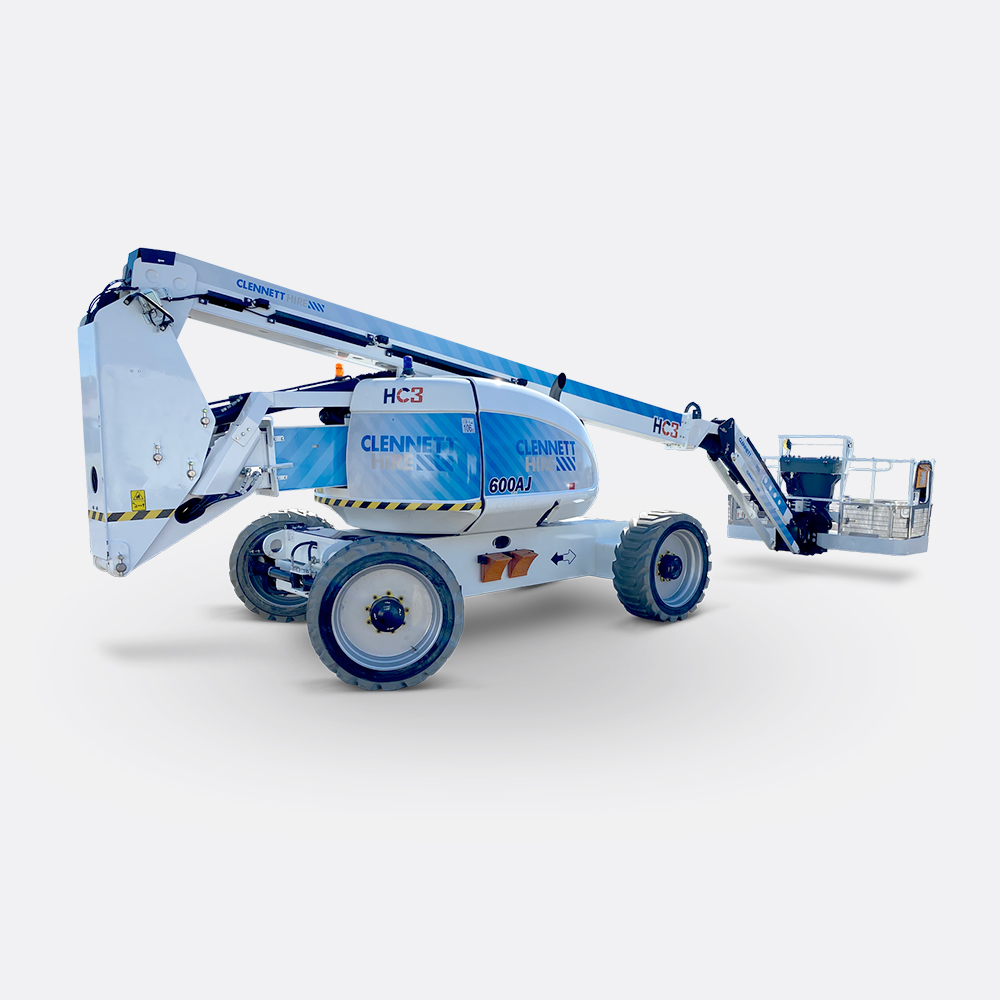
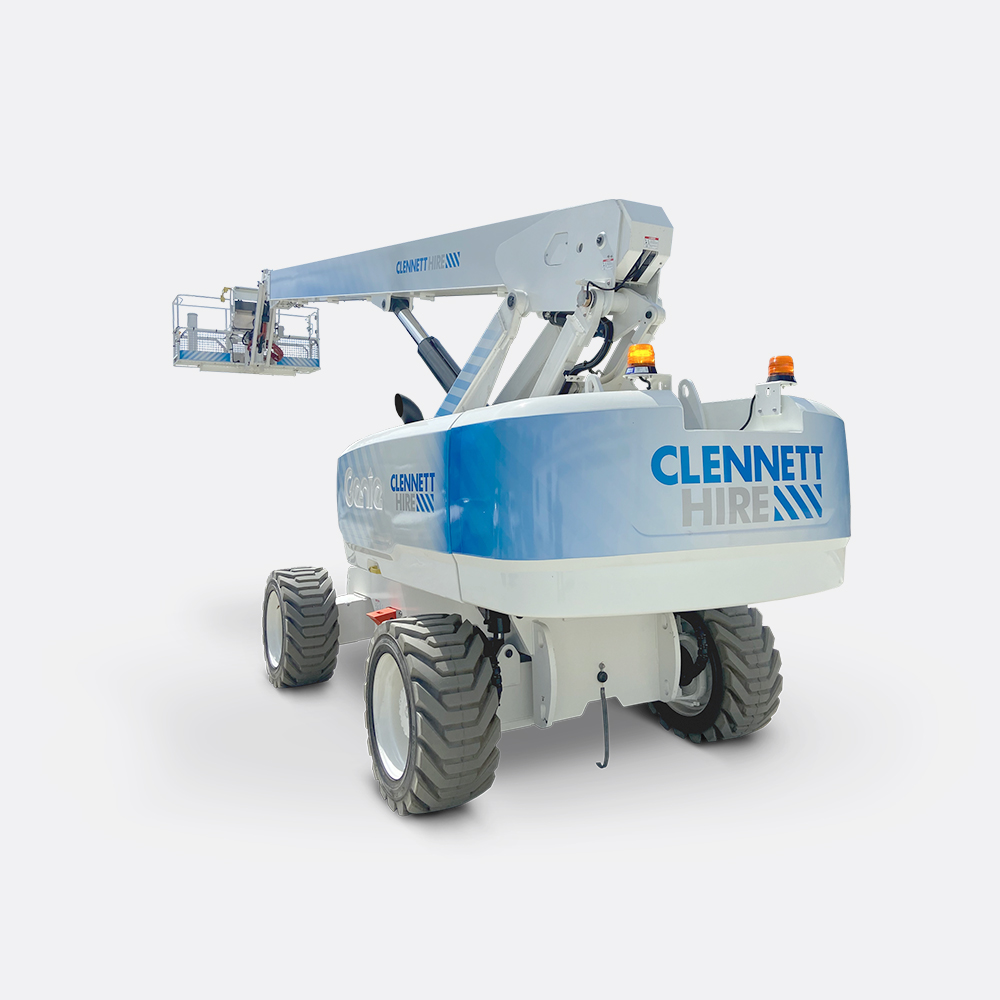
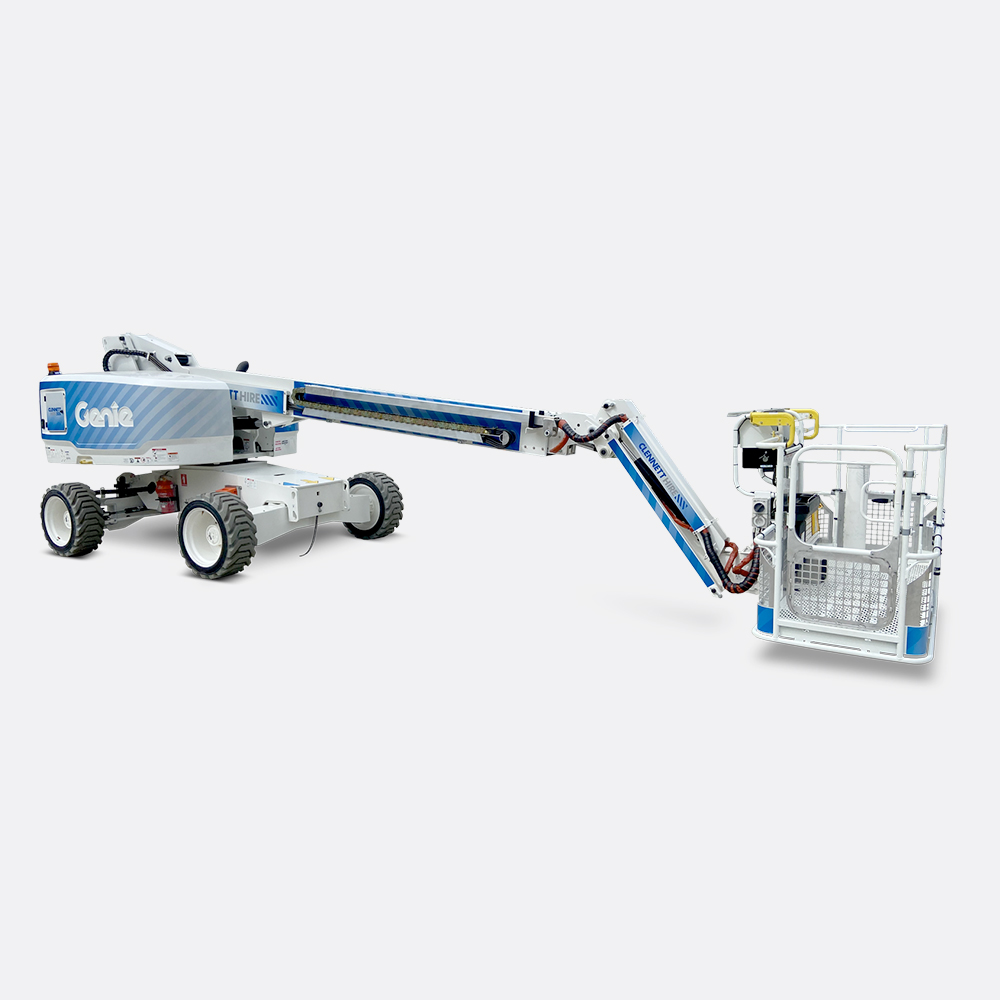
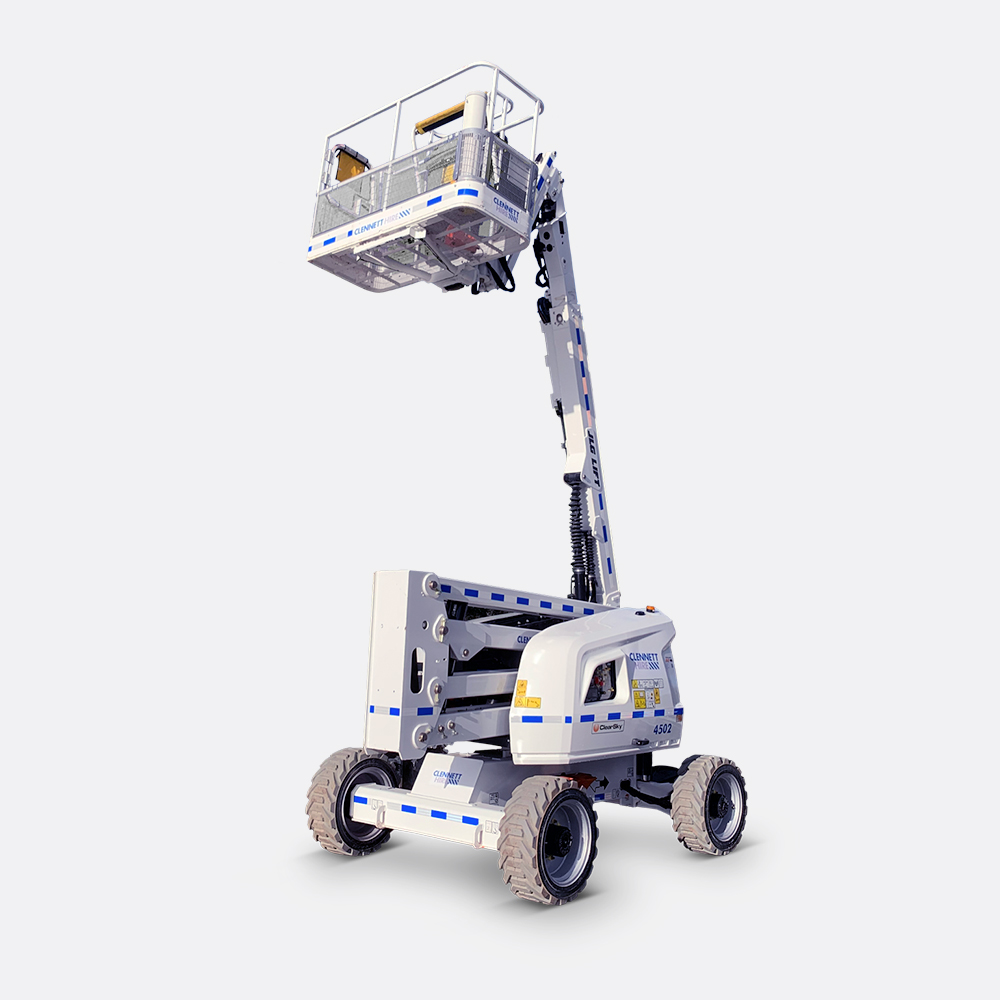
JLG 660SJ Telescopic Straight Boom Lift
Sixty-six feet of straight reach. Maximum horizontal extension. No obstacles needed.
66-ft telescopic boom lift. 56 ft horizontal outreach, 500 lb capacity, diesel/LPG dual-fuel, 4WD. Optional SkyPower platform power generator. Built for construction and telecom.
- 66 ft platform height (72 ft working height)
- 56 ft maximum horizontal outreach
- 500 lb platform capacity (2 workers + tools)
- Three-section telescoping boom for maximum reach
- Diesel/LPG dual-fuel — site flexibility
- 4WD with oscillating axle, 45% gradeability
- Optional SkyPower integrated platform generator (110V/230V)
- Proportional control response — smooth, precise boom positioning
✓ In Stock — Ships in 5-10 business days
Request a Quote
We respond within 24 hours — pricing, availability & shipping included
Quote Request Received
Thanks! We'll get back to you within 24 hours with pricing, availability, and shipping details for the JLG 660SJ Telescopic Straight Boom Lift.
| Drive | 4WD, 45% gradeability |
| Model | 660SJ |
| Power | Dual-fuel: diesel / LPG |
| Boom Type | Telescopic straight, 3-section |
| Manufacturer | JLG Industries |
| Platform Size | 30" × 96" (0.76 m × 2.44 m) |
| Certifications | ANSI/SAIA A92.5, CE EN 280, CSA B354.4 |
| Machine Weight | 26,500 lbs (12,020 kg) |
| Working Height | 72 ft (21.9 m) |
| Platform Height | 66 ft (20.1 m) |
| Turret Rotation | 360° continuous |
| Platform Capacity | 500 lbs (227 kg) |
| Horizontal Outreach | 56 ft (17.1 m) |
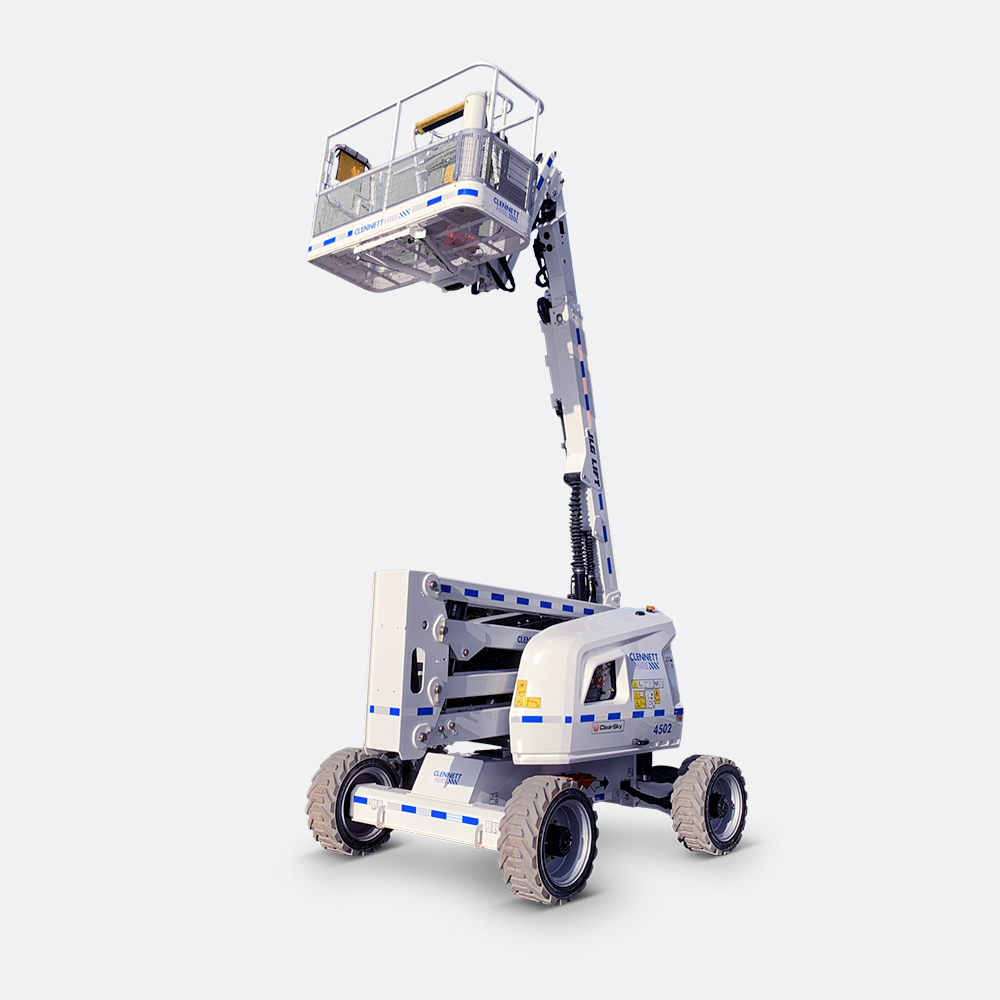
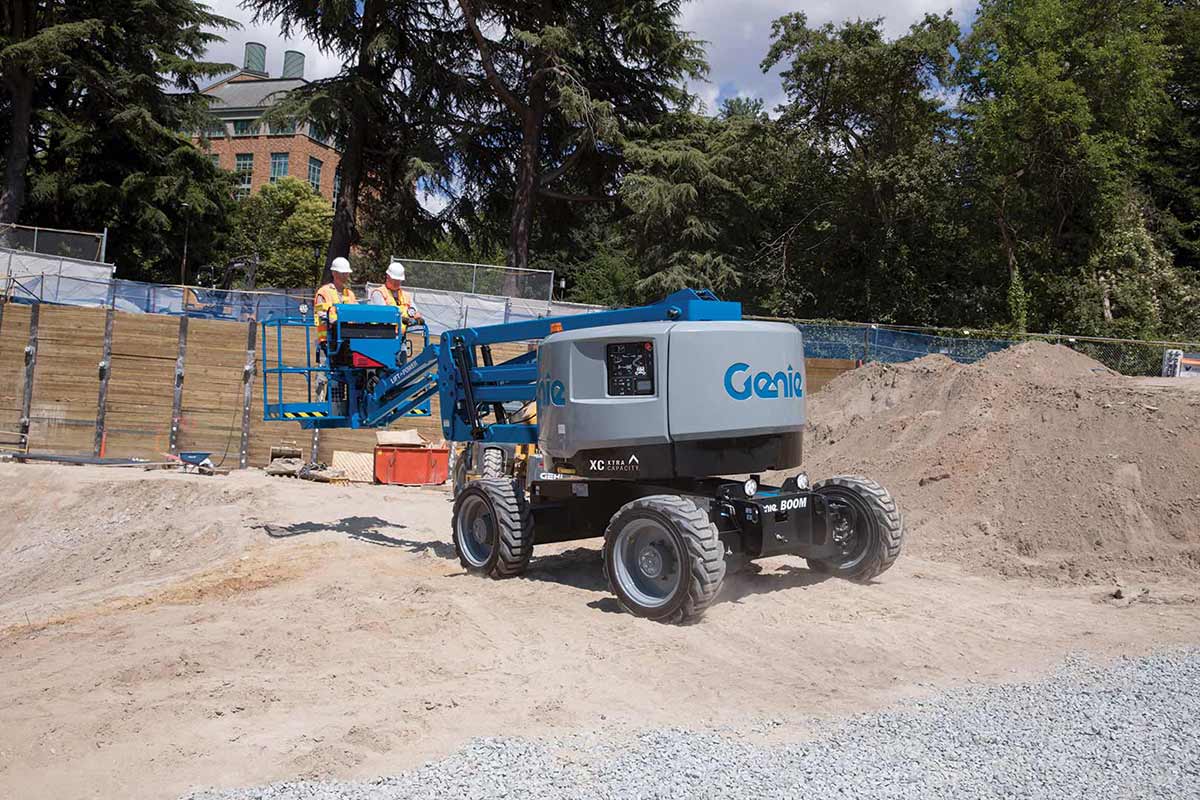
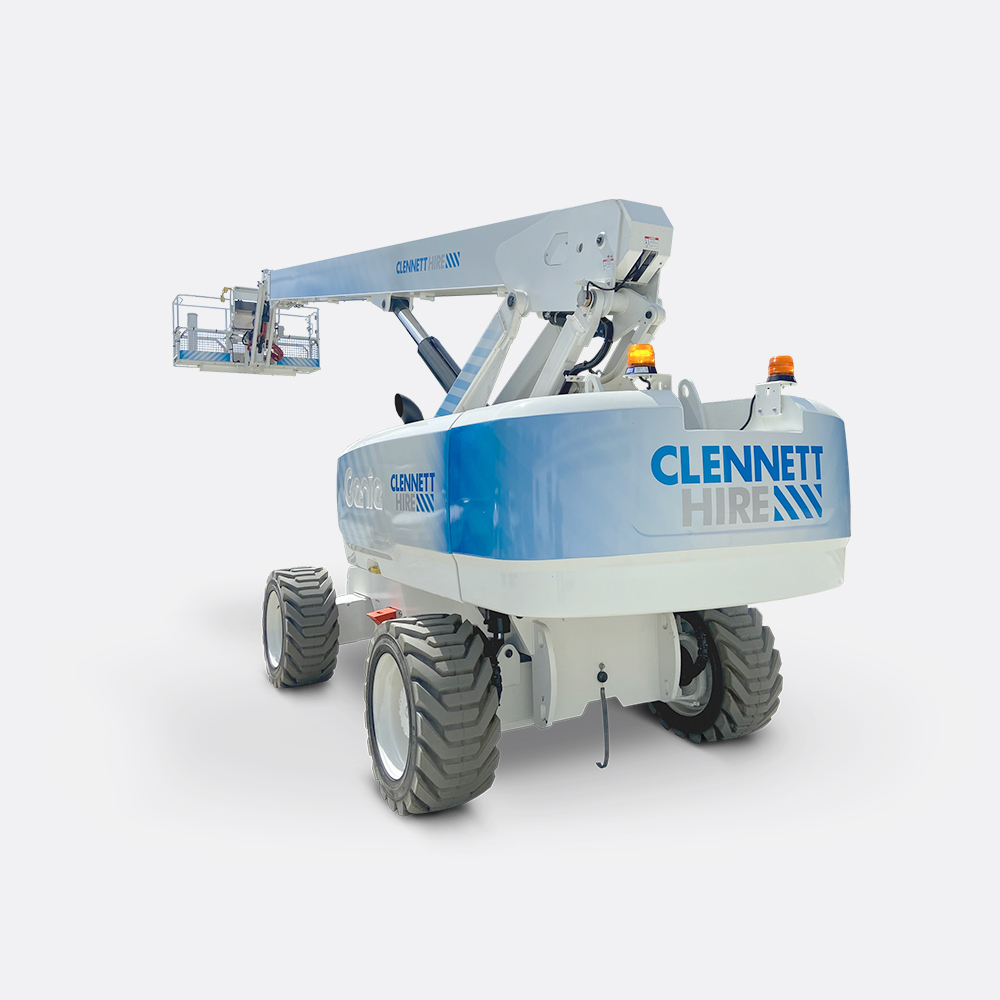
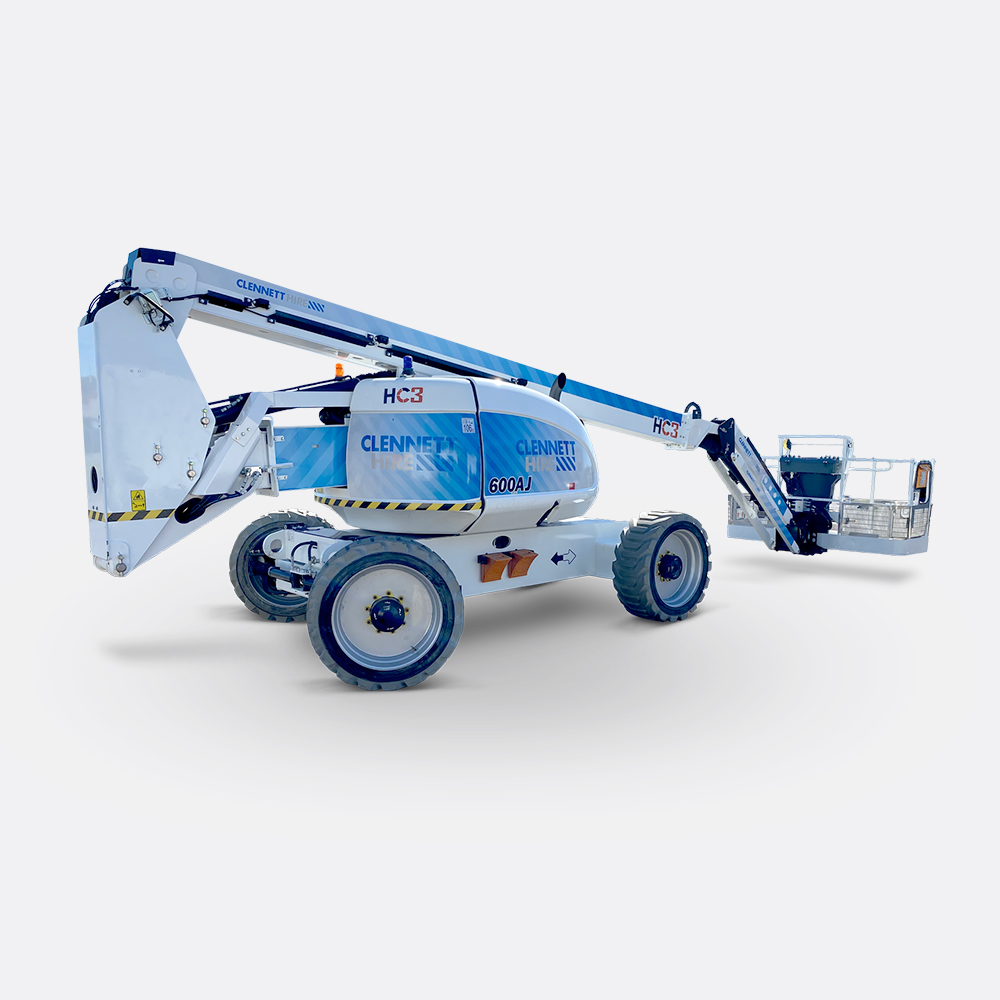
Multi-angle views of the JLG 660SJ Telescopic Straight Boom Lift. Click any image to zoom.
Watch the JLG 660SJ Telescopic Straight Boom Lift in action — full installation and operation demo.
⚙️ Load Moment Indicator (LMI)
Boom lifts monitor the combined load from occupants, tools, and dynamic forces as a moment (torque at the turret), not just weight. The LMI accounts for boom angle, extension, and basket position — halting all motion if the tip-over risk exceeds the rated stability threshold before the tipping point is reached.
🔒 Boom Envelope Control
The machine's control system automatically restricts which boom configurations are allowed while driving. Driving with a fully extended telescopic boom at height creates extreme tip-over risk — the system prevents this combination. Articulating booms have configuration-specific drive speed limits enforced by the controller.
🛡️ ANSI A92.5-Compliant Basket
Full-perimeter basket with mid-rail, full-height end rails, self-closing locking gate, and toe board meets ANSI/SAIA A92.5 requirements. A certified D-ring fall arrest anchor rated for 5,000 lbs is standard. Operators must wear a full-body harness with lanyard attached to the D-ring at all times while in the basket — OSHA 1926.453 requirement.
🚨 Dual Emergency Lowering Systems
A hydraulic emergency descent at the platform controls lowers the boom without engine power — a gravity-feed bypass valve independent of all electronics. A second emergency lower is located at the ground control station and can be operated by ground personnel to retrieve a stranded operator. Both systems are tested at pre-shift inspection.
How does this compare?
Telescopic vs. articulating at 60-70 feet: if you're working on a single fixed point — a communications antenna, a bridge truss, a building façade element — a telescopic boom's superior horizontal reach (56 feet vs. 25 feet for articulating) means you need fewer machine moves to complete the job. Telecom contractors installing equipment on 60-foot towers often position the telescopic boom once and swing through the full installation from a single position. For construction scaffolding replacement, exterior window installation, and broadcast antenna work, the 660SJ is the professional's choice.
No reviews yet
Be the first to share your experience with this product.
You Might Also Like