IronLift SL-1500 Scissor Pallet Positioner
Raise the pallet to you — stop bending down. Ergonomic scissor lift table for pallet work.
1,500 lb scissor pallet positioner. Raises loaded pallets from 7" to 31" for ergonomic standing work. Foot-operated hydraulic pump, locking pins at any height.
- 1,500 lb rated capacity — supports fully loaded standard pallets
- Raises from 7 inches (floor) to 31 inches (ergonomic work height)
- Foot-operated hydraulic pump — hands-free lifting
- Locking pins secure platform at any height for static work
- Accepts 40" × 48" standard GMA pallets — full pallet support
- Safety bar prevents lowering with foot/leg intrusion
- Non-marking polyurethane swivel casters for floor repositioning
- All-welded heavy-gauge steel construction
✓ In Stock — Ships in 5-10 business days
Request a Quote
We respond within 24 hours — pricing, availability & shipping included
Quote Request Received
Thanks! We'll get back to you within 24 hours with pricing, availability, and shipping details for the IronLift SL-1500 Scissor Pallet Positioner.
| Weight | 320 lbs |
| Casters | 4" polyurethane swivel (non-marking) |
| Capacity | 1,500 lbs |
| Warranty | 1 year |
| Platform Size | 48" × 40" |
| Raised Height | 31 inches |
| Frame Material | Heavy-gauge welded steel |
| Lift Mechanism | Scissor (hydraulic, foot-operated) |
| Lowered Height | 7 inches |
| Safety Feature | Safety bar — under-table intrusion protection |
Multi-angle views of the IronLift SL-1500 Scissor Pallet Positioner. Click any image to zoom.
Watch the IronLift SL-1500 Scissor Pallet Positioner in action — full installation and operation demo.
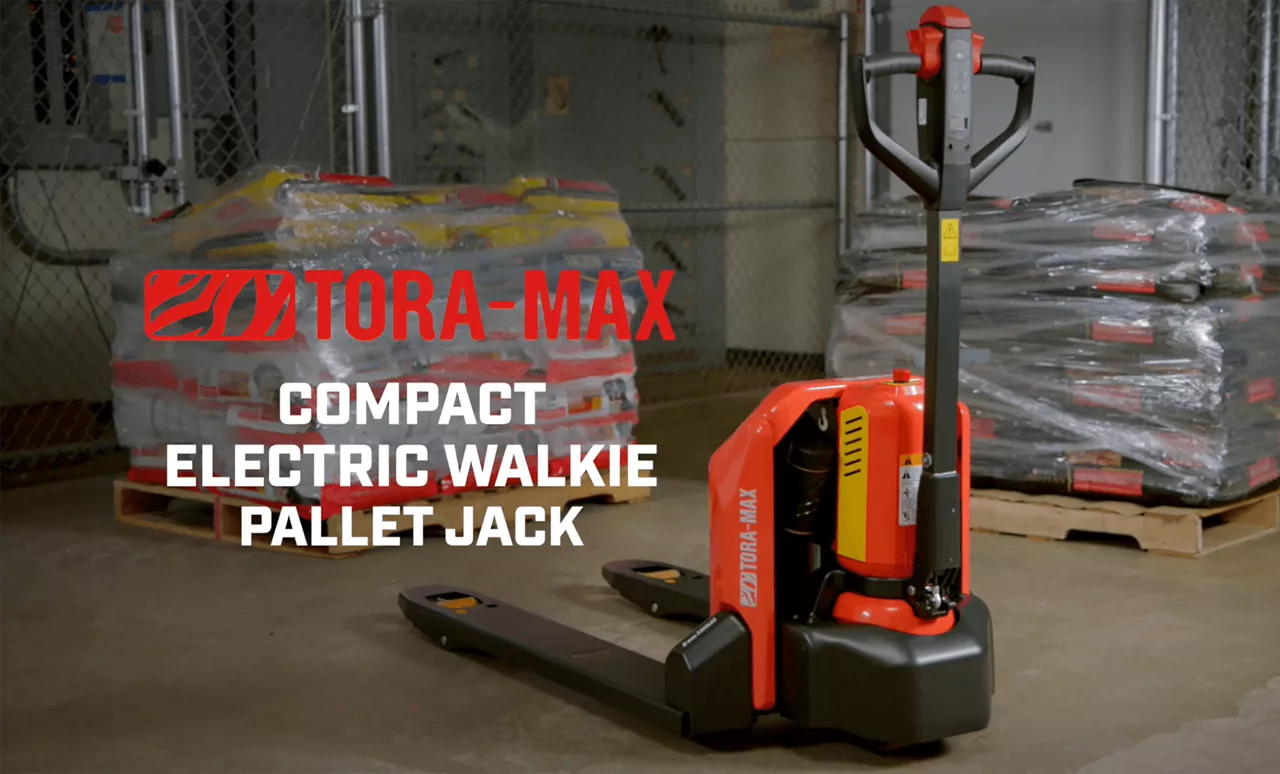
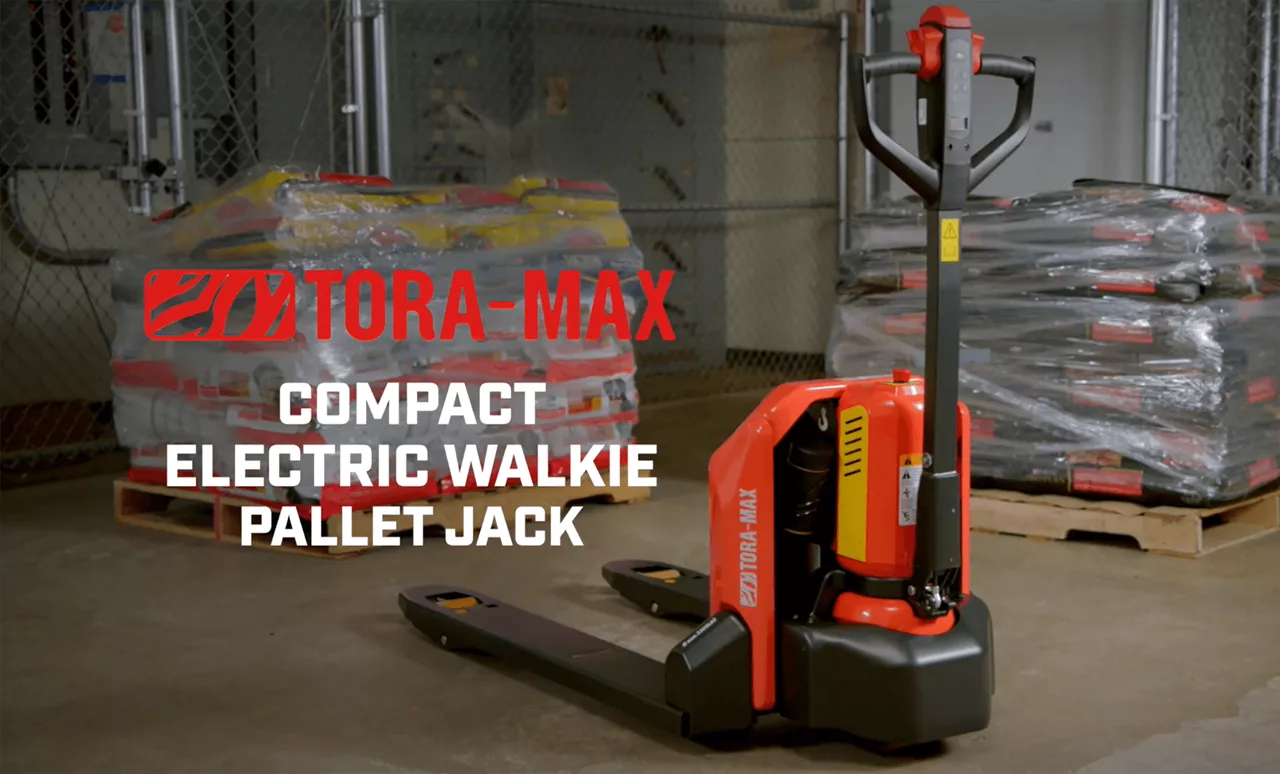
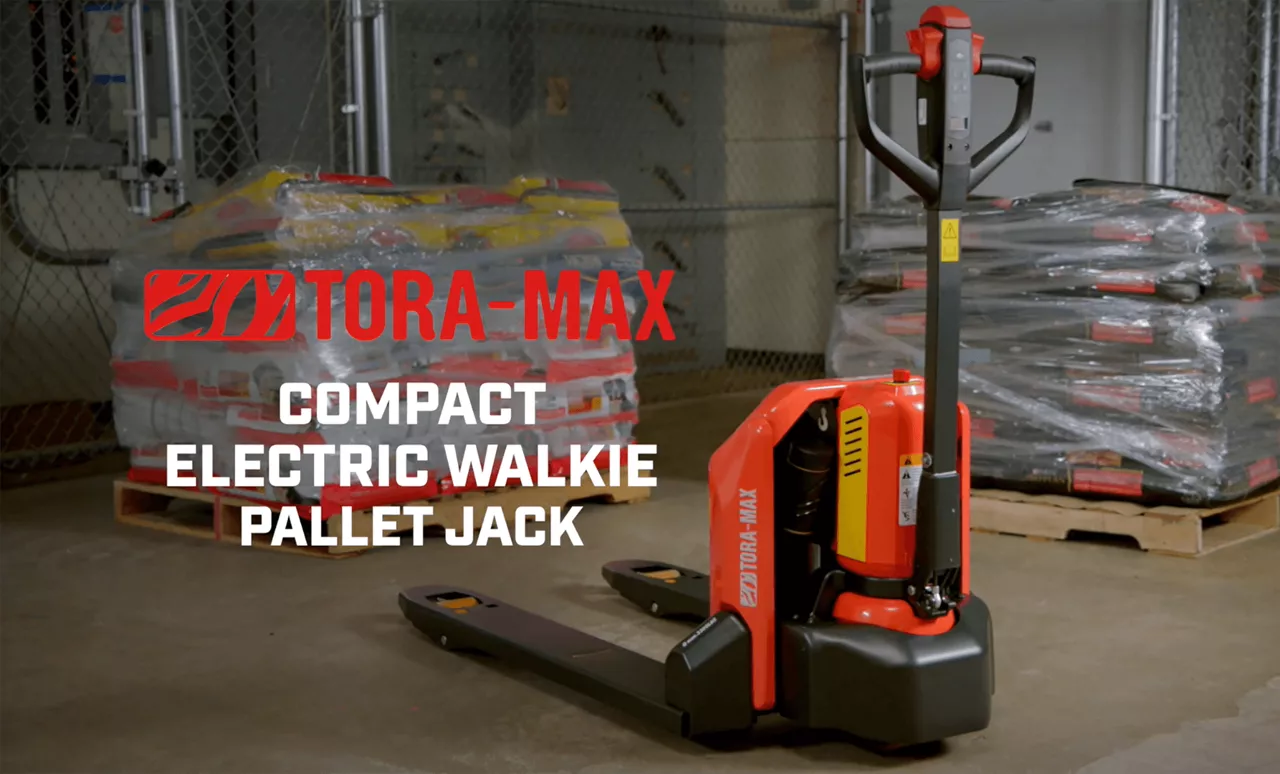
Pallet jacks use a hydraulic pump system (manual) or electric motor and hydraulics (powered) to raise pallets a few inches off the floor for transport. Operation is straightforward — the main variables are load limits and floor surface awareness.
🔧 Pump Handle (Manual)
The three-position pump handle controls all motion: pump up to raise the forks, neutral (horizontal) to maintain height, rotate down to lower. Pump 5–10 strokes to reach operating height. The forks only need to clear the ground by 1–2 inches for transport.
🎮 Tiller Controls (Electric)
The tiller arm has a throttle thumb lever (forward/reverse), a lift/lower button, and a horn. Squeeze the tiller handle to enable drive — releasing the handle automatically applies the electromagnetic brake and stops the unit. Creep mode (low-speed position) allows precise pallet placement.
📐 Entering Pallets
Align the forks with the pallet openings before entering. Approach straight — angled entry twists the forks and can split pallet boards. Center the load on the forks; off-center loads shift weight and reduce effective capacity. For floor-level pallets, approach slowly to avoid ramping the fork tips over the bottom board.
🛑 Stopping & Lowering
Manual: rotate handle to lower position; gravity lowers the forks through the hydraulic release valve. Electric: use the lower button or release the tiller to brake, then press lower. Lower the load fully before leaving the jack unattended — never leave a load elevated.
⚙️ Load Capacity Markings
The rated capacity is stamped on the data plate and must not be exceeded. Overloading a manual pallet jack distorts the forks and can cause sudden hydraulic failure. Overloading an electric jack can burn out the drive motor or trigger the overload cutout sensor.
🛡️ Ramp & Incline Safety
Manual pallet jacks are rated for flat floor operation only — do not use on ramps or inclines. Electric walkie jacks have a rated grade (typically 5–10%) — check the data plate. On any grade, always keep the load on the uphill side of the machine to prevent runaway.
🔒 Parking & Unattended Units
Never leave a pallet jack with a load elevated — always lower the forks fully before leaving the machine. For electric units, apply the parking brake (tiller in vertical position) and remove the key when leaving unattended. Block the wheels if parking on any incline.
🚨 Pinch Point Awareness
The area around the forks, wheels, and tiller arm contains pinch and crush points. Keep feet clear of the fork tips when entering pallets. Never position your body between the jack and a fixed object. On electric rider models, the platform area has an auto-cutout if the operator is not on the platform.
How does this compare?
The business case for scissor positioners is ergonomics and workers' comp. NIOSH ergonomic guidelines identify bending below knee height for extended periods as a primary contributor to lower-back injuries — which account for the majority of workplace compensation claims in warehousing and manufacturing. A scissor positioner under $1,500 eliminates floor-level work from a station completely. For operations with 2+ workers doing repetitive pallet-level picking, the ROI is typically less than one workers' comp claim.
No reviews yet
Be the first to share your experience with this product.
You Might Also Like