IronMover 8800R Stand-Up Rider Electric Pallet Jack
Stand-up rider. Long aisles, full-shift operation, maximum throughput.
8,800 lb stand-up rider electric pallet jack. 48V AC drive, 8 mph travel, 8-hour runtime, proximity obstacle sensors. Maximum throughput for distribution and cross-dock operations.
- 8,800 lb rated capacity — handles loaded industrial pallets and oversized loads
- Stand-up rider platform — 8 mph travel speed for long-aisle operations
- 48V AC electric drivetrain — no power fade at low battery
- 8-hour runtime on 48V/400Ah battery pack
- Dual-position platform: stand-up for travel, fold-up for tight areas
- Proximity sensors — automatic drive cutout when obstacle detected
- 9-inch polyurethane double-acting load rollers for dock and floor transitions
- Full-perimeter bumper guard system
✓ In Stock — Ships in 5-10 business days
Request a Quote
We respond within 24 hours — pricing, availability & shipping included
Quote Request Received
Thanks! We'll get back to you within 24 hours with pricing, availability, and shipping details for the IronMover 8800R Stand-Up Rider Electric Pallet Jack.
| Weight | 2,200 lbs (with battery) |
| Battery | 48V / 400Ah |
| Capacity | 8,800 lbs |
| Warranty | 2 years drivetrain, 1 year battery |
| Fork Width | 27 inches |
| Fork Length | 48 inches |
| Load Wheels | 9" dual polyurethane |
| Drive System | 48V AC electric |
| Platform Type | Stand-up rider (foldable) |
| Lowered Height | 7.75 inches |
| Proximity Sensors | Yes — auto drive cutout |
| Travel Speed (max) | 8 mph |
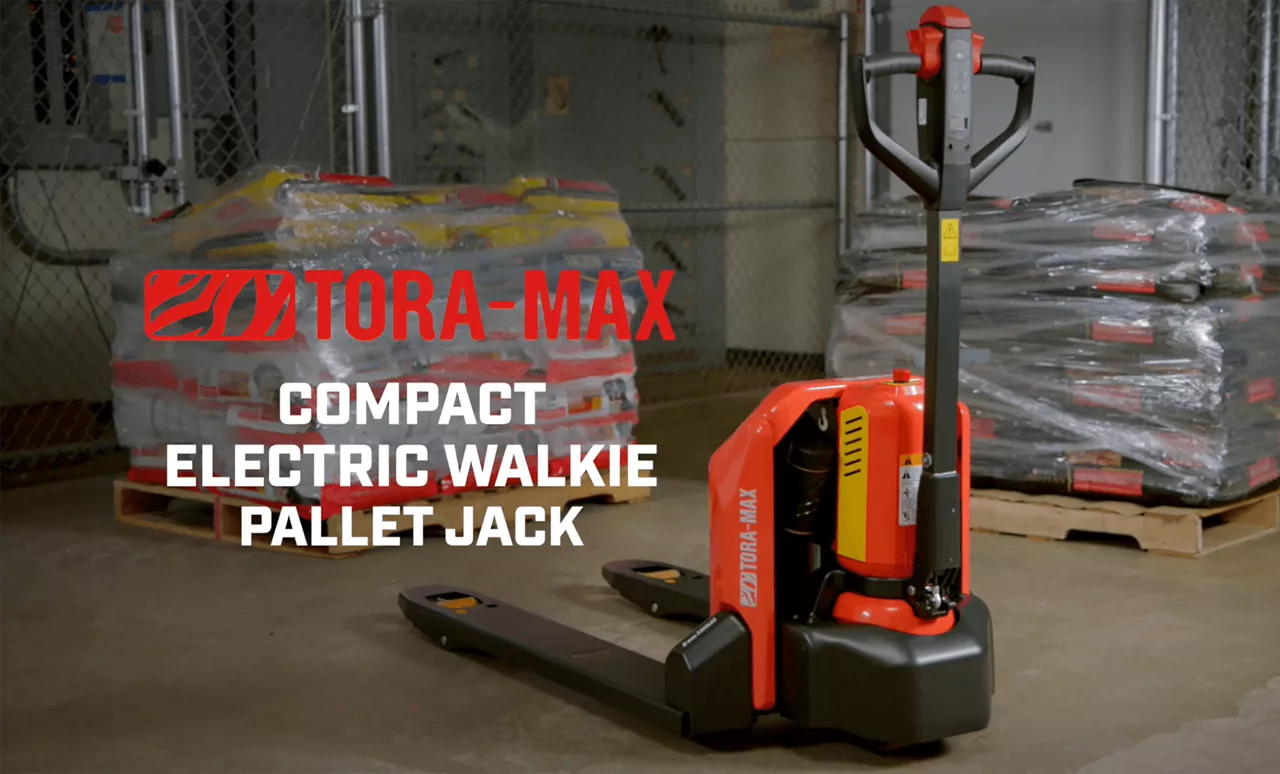
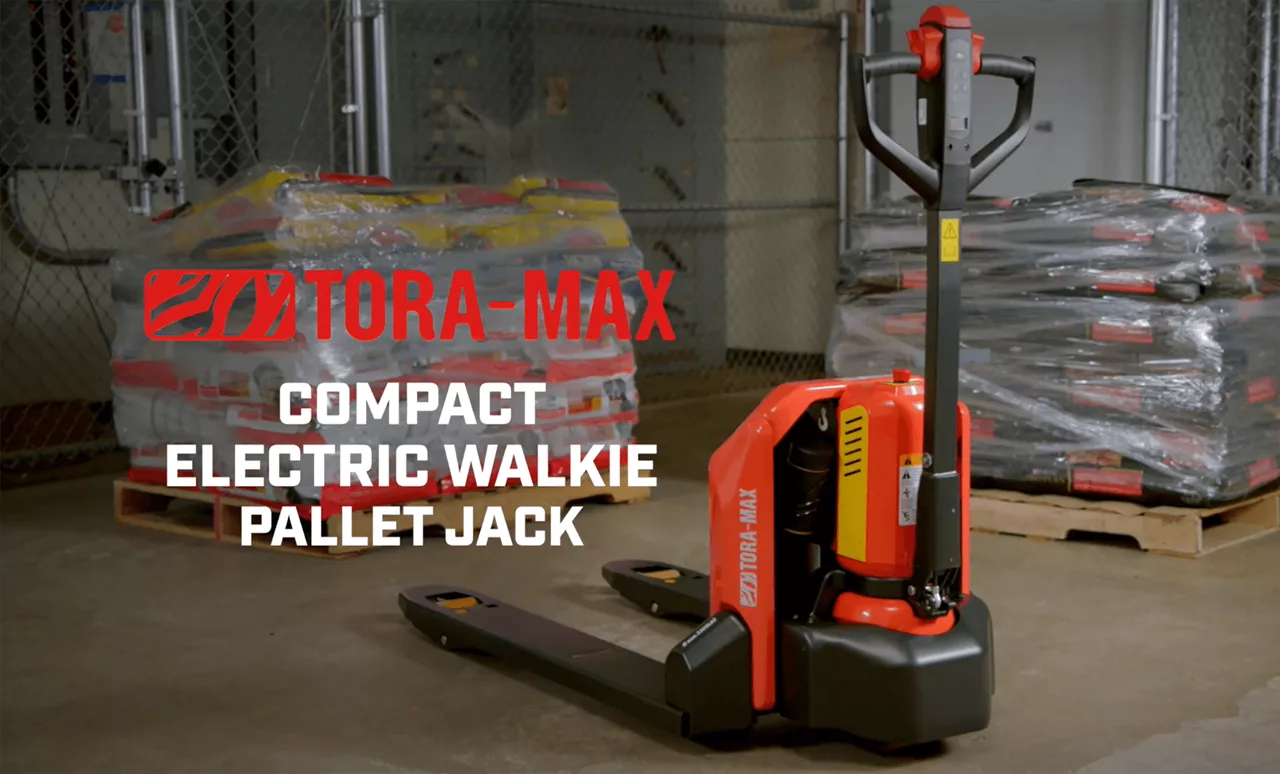
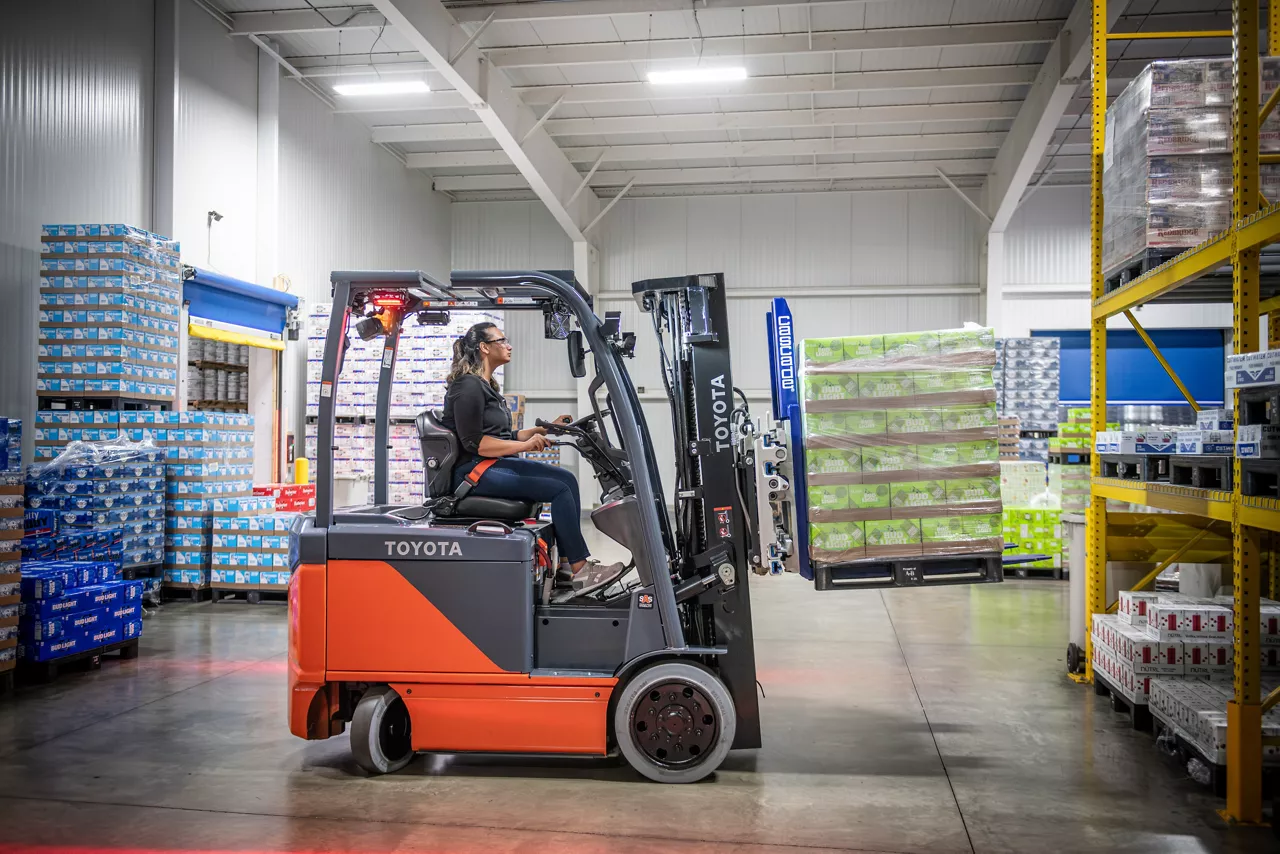
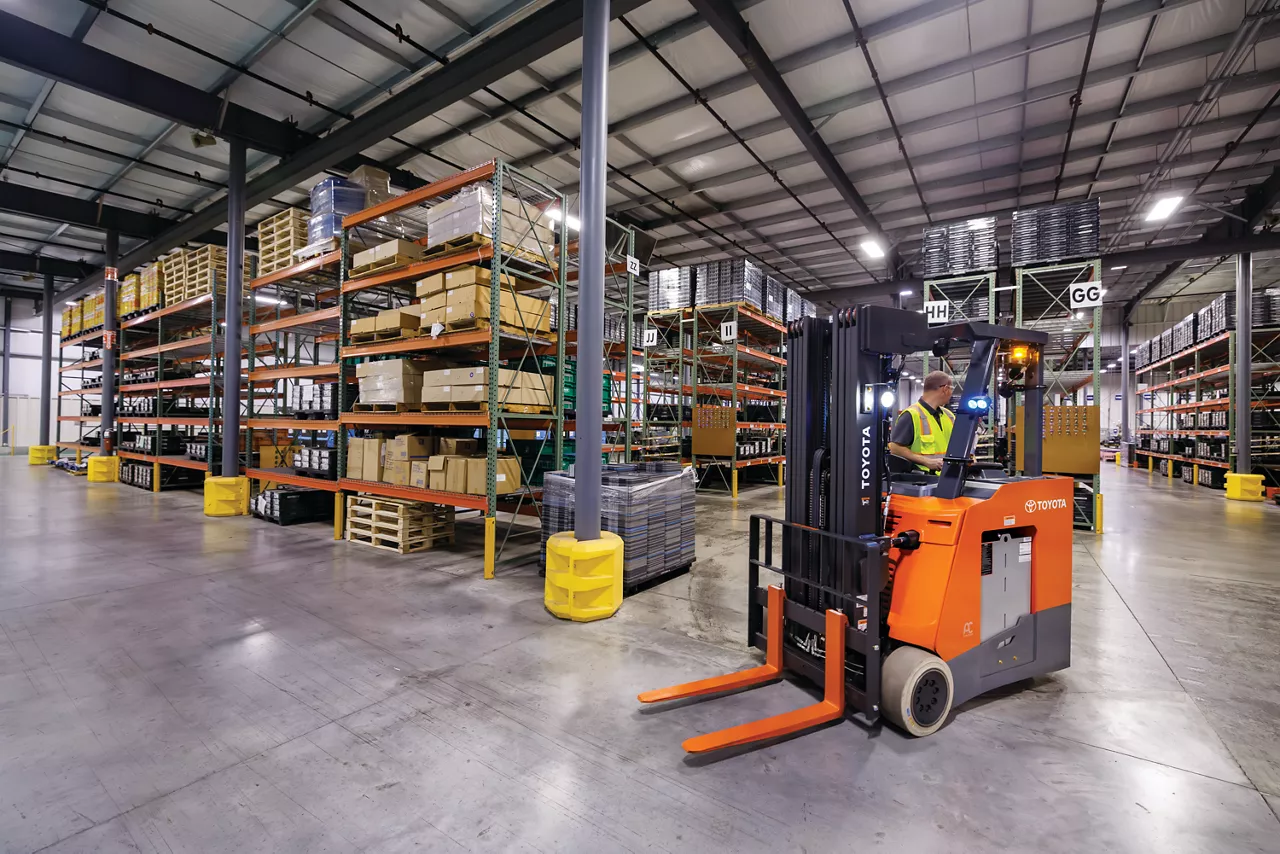
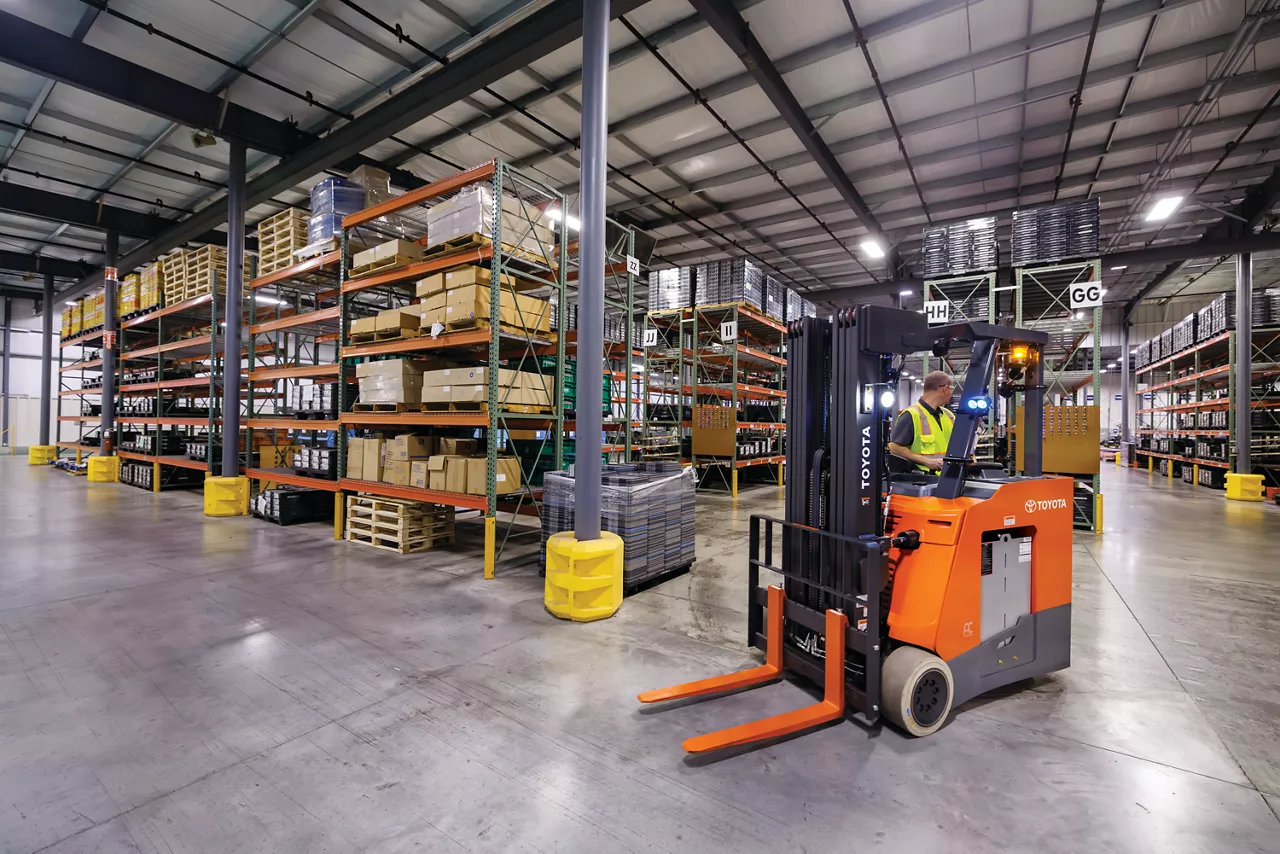
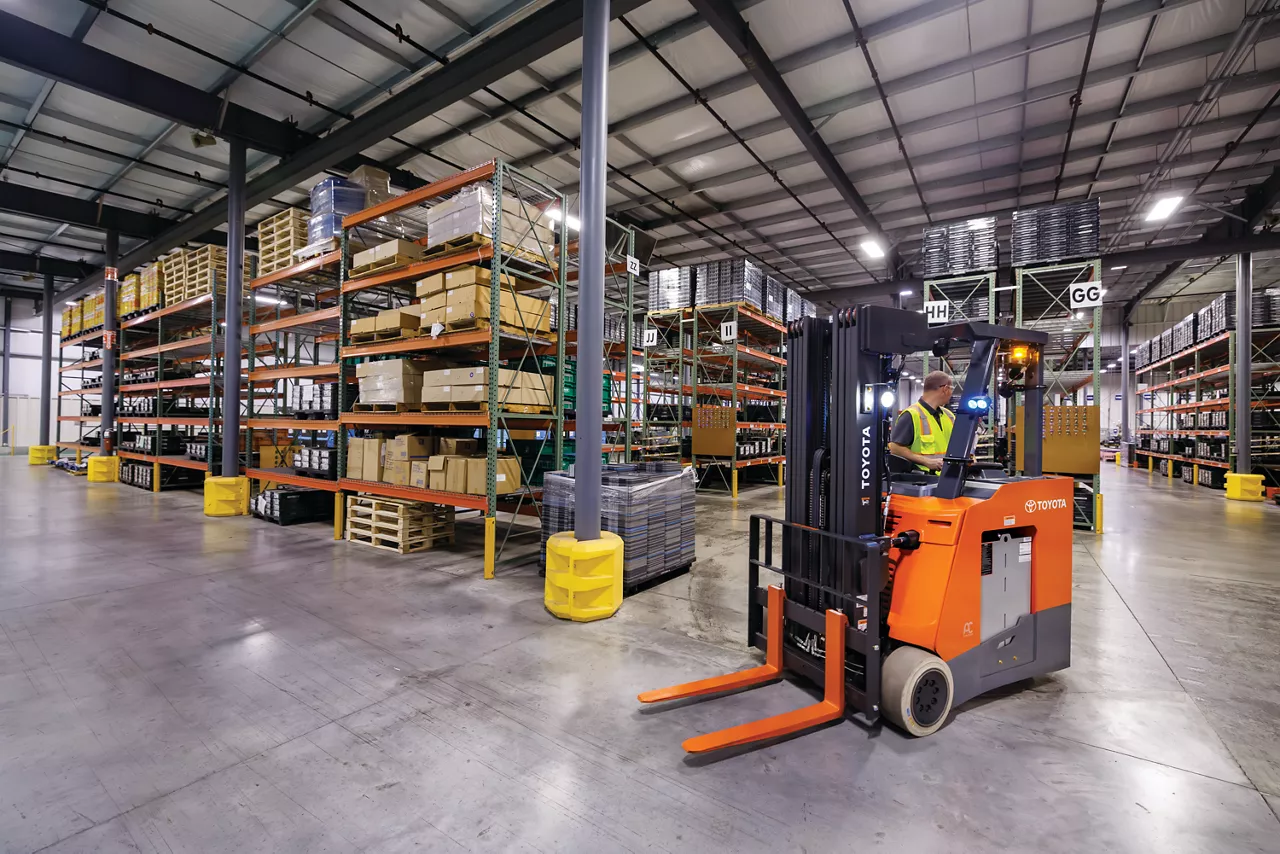
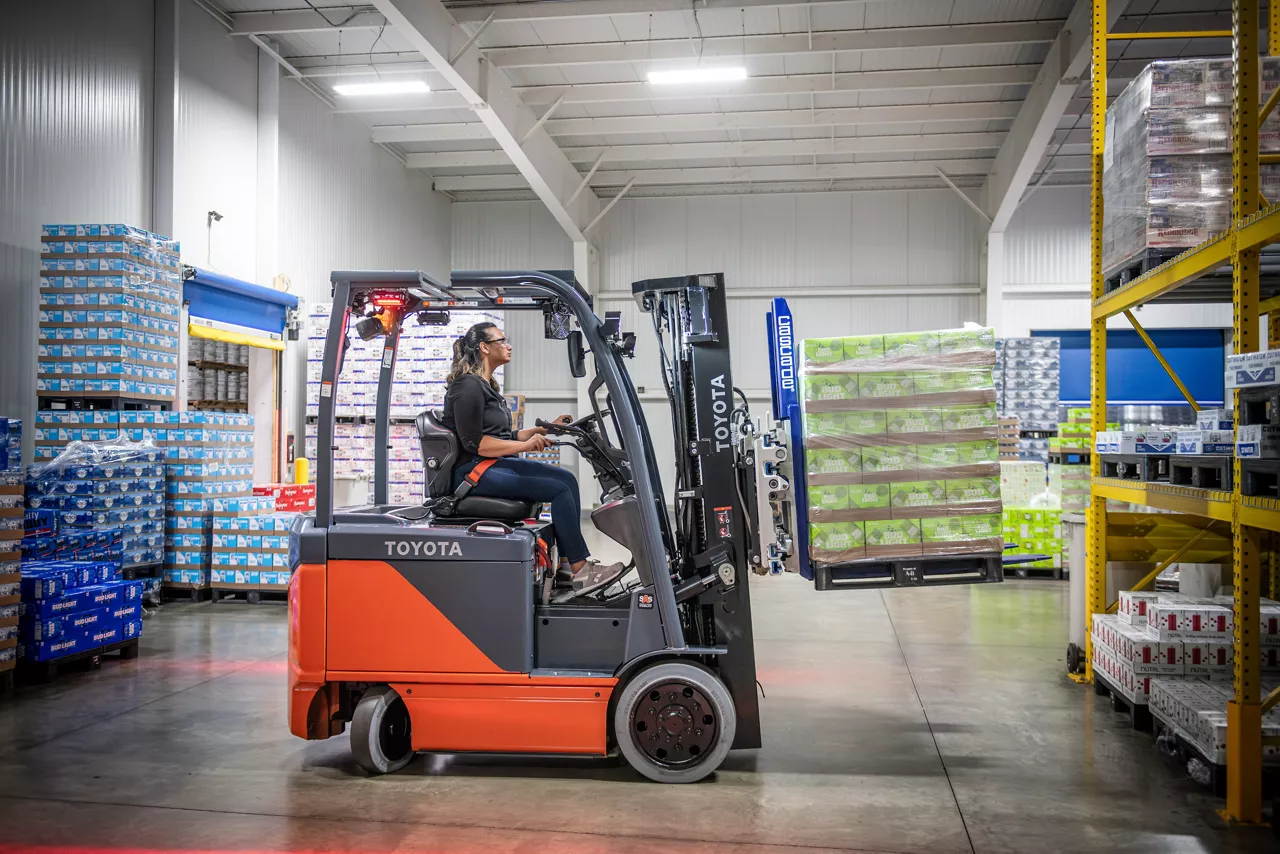
Multi-angle views of the IronMover 8800R Stand-Up Rider Electric Pallet Jack. Click any image to zoom.
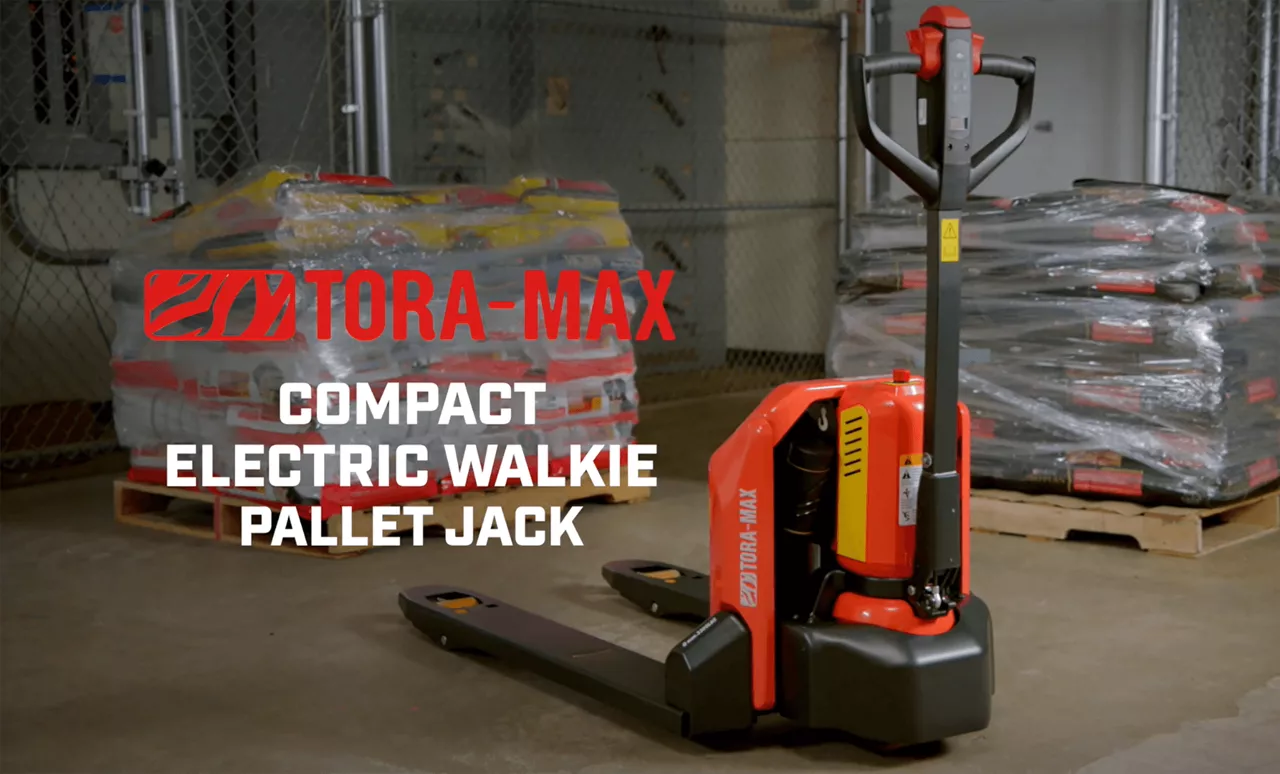
Watch the IronMover 8800R Stand-Up Rider Electric Pallet Jack in action — full installation and operation demo.
Pallet jacks use a hydraulic pump system (manual) or electric motor and hydraulics (powered) to raise pallets a few inches off the floor for transport. Operation is straightforward — the main variables are load limits and floor surface awareness.
🔧 Pump Handle (Manual)
The three-position pump handle controls all motion: pump up to raise the forks, neutral (horizontal) to maintain height, rotate down to lower. Pump 5–10 strokes to reach operating height. The forks only need to clear the ground by 1–2 inches for transport.
🎮 Tiller Controls (Electric)
The tiller arm has a throttle thumb lever (forward/reverse), a lift/lower button, and a horn. Squeeze the tiller handle to enable drive — releasing the handle automatically applies the electromagnetic brake and stops the unit. Creep mode (low-speed position) allows precise pallet placement.
📐 Entering Pallets
Align the forks with the pallet openings before entering. Approach straight — angled entry twists the forks and can split pallet boards. Center the load on the forks; off-center loads shift weight and reduce effective capacity. For floor-level pallets, approach slowly to avoid ramping the fork tips over the bottom board.
🛑 Stopping & Lowering
Manual: rotate handle to lower position; gravity lowers the forks through the hydraulic release valve. Electric: use the lower button or release the tiller to brake, then press lower. Lower the load fully before leaving the jack unattended — never leave a load elevated.
⚙️ Load Capacity Markings
The rated capacity is stamped on the data plate and must not be exceeded. Overloading a manual pallet jack distorts the forks and can cause sudden hydraulic failure. Overloading an electric jack can burn out the drive motor or trigger the overload cutout sensor.
🛡️ Ramp & Incline Safety
Manual pallet jacks are rated for flat floor operation only — do not use on ramps or inclines. Electric walkie jacks have a rated grade (typically 5–10%) — check the data plate. On any grade, always keep the load on the uphill side of the machine to prevent runaway.
🔒 Parking & Unattended Units
Never leave a pallet jack with a load elevated — always lower the forks fully before leaving the machine. For electric units, apply the parking brake (tiller in vertical position) and remove the key when leaving unattended. Block the wheels if parking on any incline.
🚨 Pinch Point Awareness
The area around the forks, wheels, and tiller arm contains pinch and crush points. Keep feet clear of the fork tips when entering pallets. Never position your body between the jack and a fixed object. On electric rider models, the platform area has an auto-cutout if the operator is not on the platform.
How does this compare?
Stand-up rider pallet jacks are the logical step between walkie electric jacks and full counterbalance forklifts. If your operation involves consistent travel distances over 100 feet between pick/drop points, or you're running high-volume cross-dock operations where throughput per hour is the primary metric, rider jacks dramatically outperform walkie units. The AC drivetrain is the key spec at this level — no brush maintenance, consistent power output, and regenerative braking that extends runtime. Budget rider jacks use DC motors that require brush replacement every 1,500–2,000 hours.
No reviews yet
Be the first to share your experience with this product.
You Might Also Like