Bishamon BS30 Tilt-Top Lift Table Positioner
Lift, tilt, rotate. The ergonomic workstation for high-volume assembly and kitting.
3,000 lb tilt-top lift table. 30×48-inch phenolic platform, 7.5 to 35 inches height, ±30° tilt, pneumatic-hydraulic (no electric required). For assembly, kitting, and ergonomic workstations.
- 3,000 lb rated capacity
- 30" × 48" phenolic composite platform surface
- 7.5 to 35 inches height range
- ±30° forward/backward tilt — foot-pedal controlled
- Pneumatic-hydraulic actuator — shop air only, no electric required
- Sealed bearing pivot points — 5-year service intervals
- OSHA ergonomic compliance for assembly workstations
- 62% injury risk reduction vs. fixed-height/fixed-angle stations
✓ In Stock — Ships in 5-10 business days
Request a Quote
We respond within 24 hours — pricing, availability & shipping included
Quote Request Received
Thanks! We'll get back to you within 24 hours with pricing, availability, and shipping details for the Bishamon BS30 Tilt-Top Lift Table Positioner.
| Model | BS30 |
| Control | Foot-pedal (height and tilt independent) |
| Actuator | Pneumatic-hydraulic |
| Air Supply | 90 PSI @ 15 SCFM |
| Tilt Range | ±30° forward and backward |
| Unit Weight | 750 lbs (340 kg) |
| Manufacturer | Bishamon Industries |
| Platform Size | 30" W × 48" L |
| Raised Height | 35 inches |
| Certifications | ANSI/ASME MH29.1, OSHA 29 CFR 1910 |
| Lowered Height | 7.5 inches |
| Pivot Bearings | Sealed, 5-year service interval |
| Rated Capacity | 3,000 lbs (1,361 kg) |
| Platform Material | Phenolic composite — oil/solvent resistant |
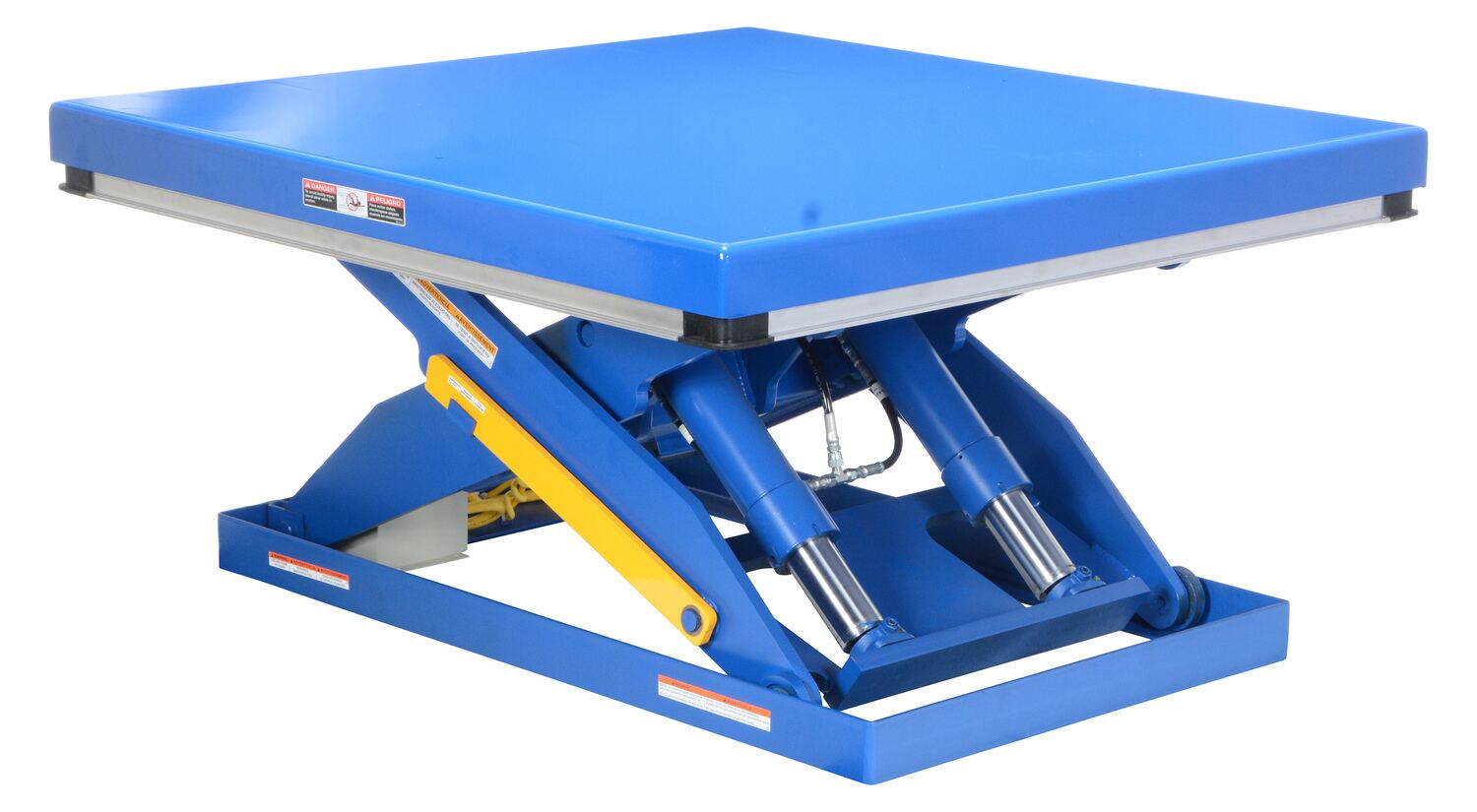
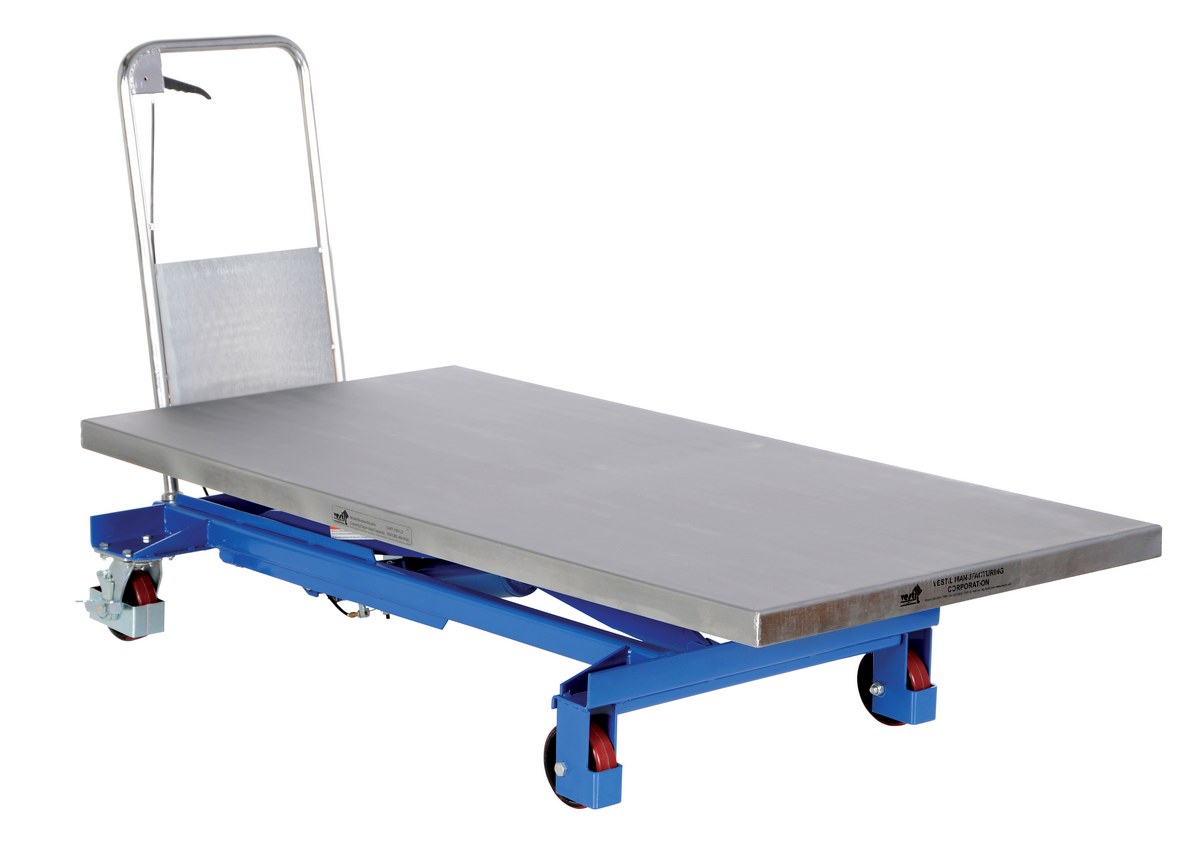
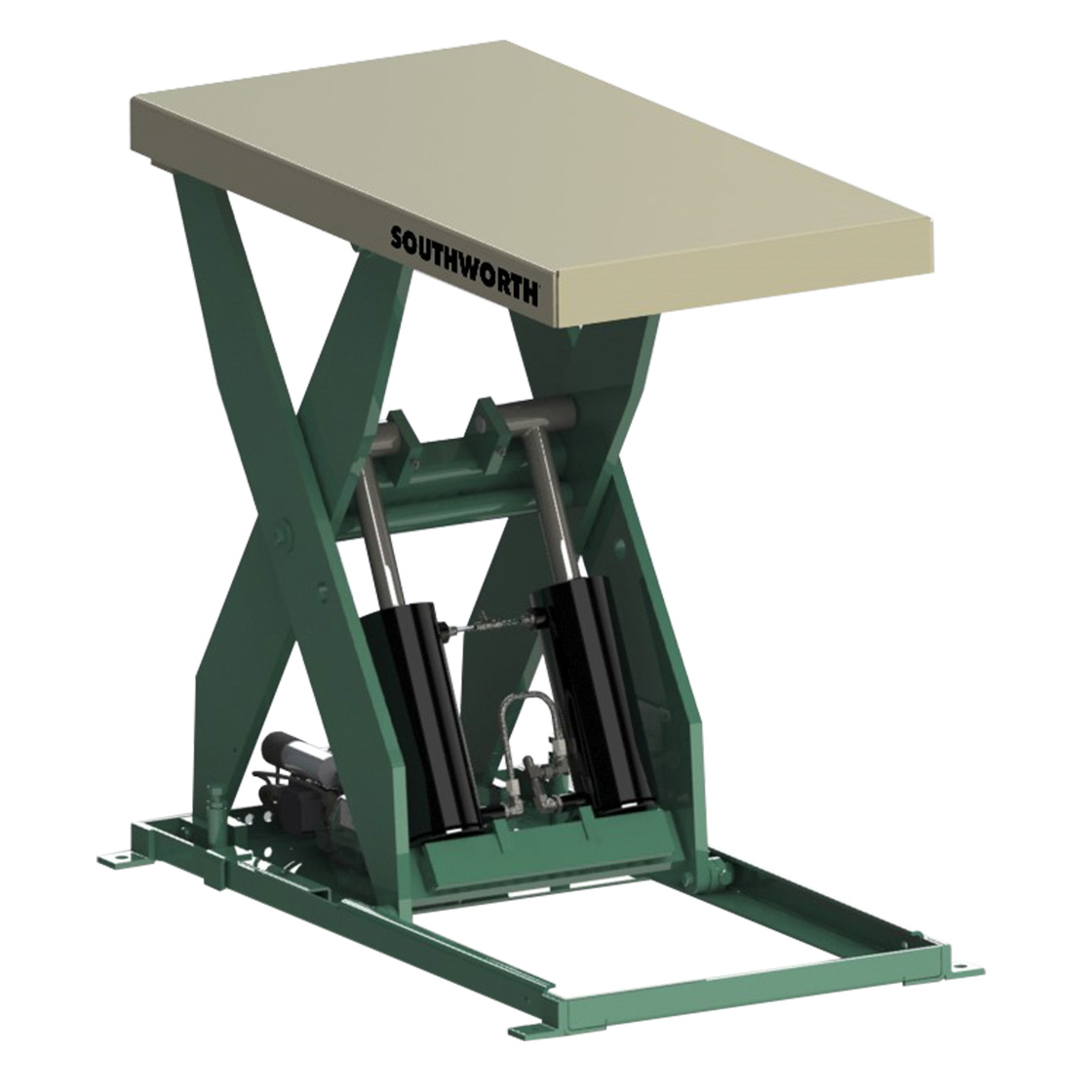
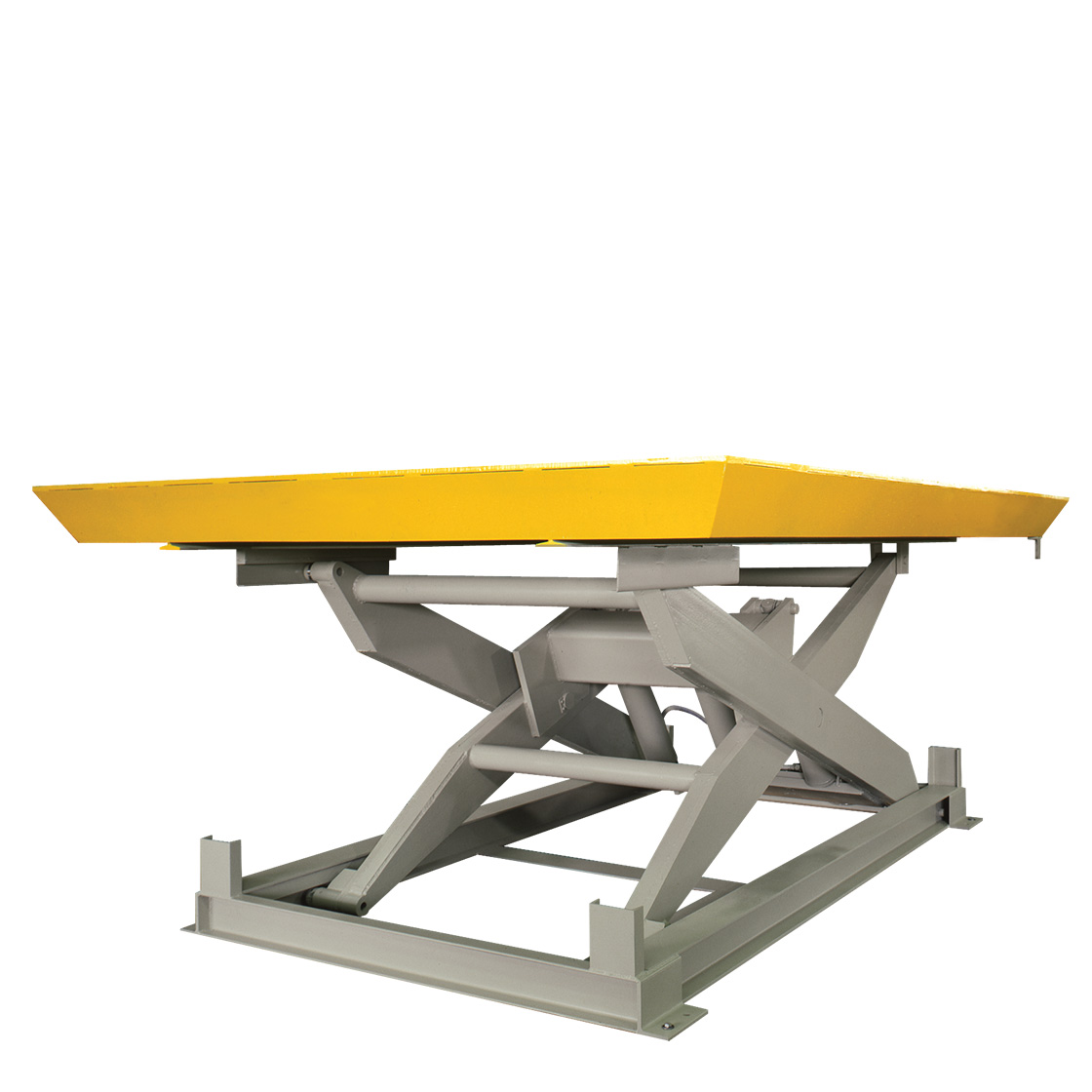
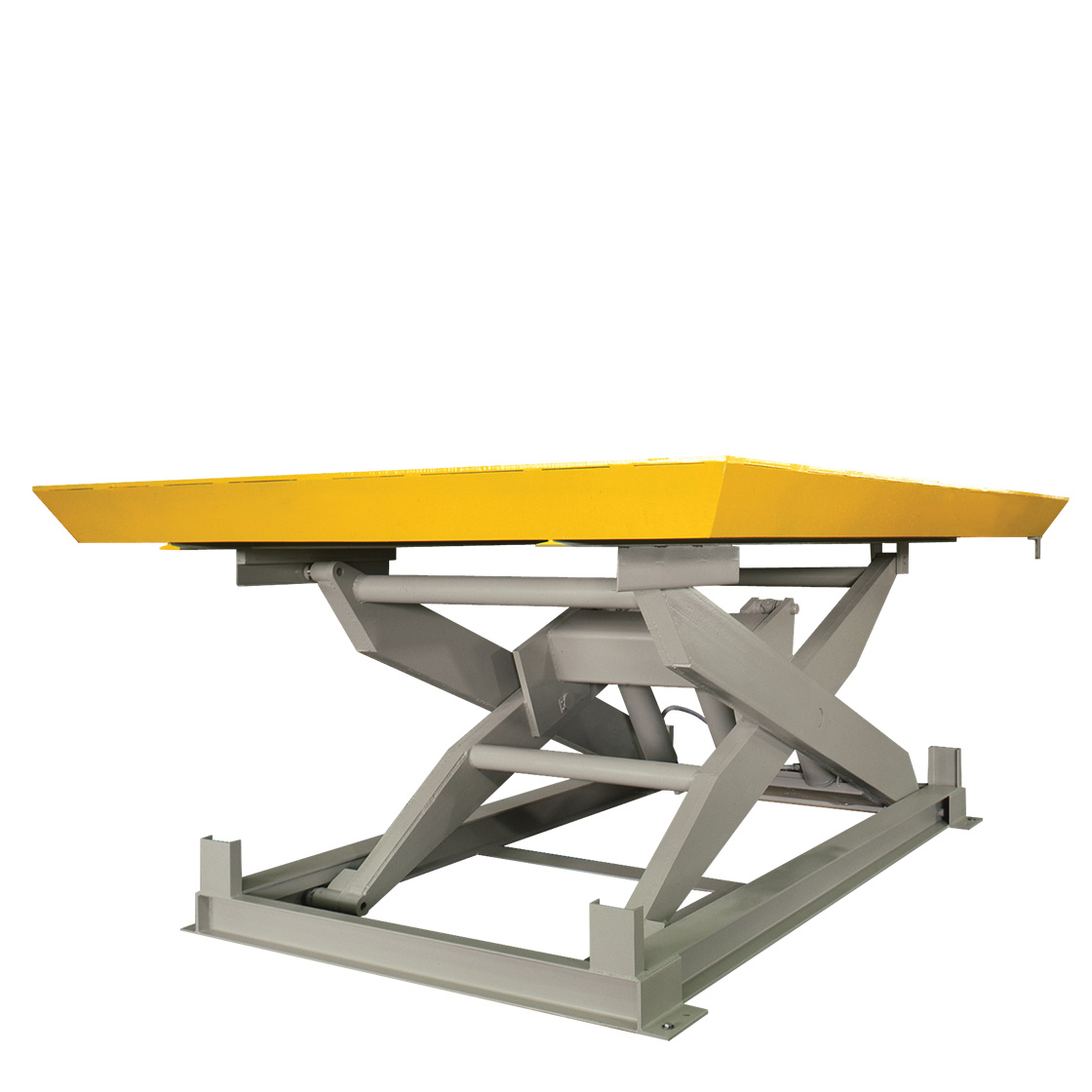
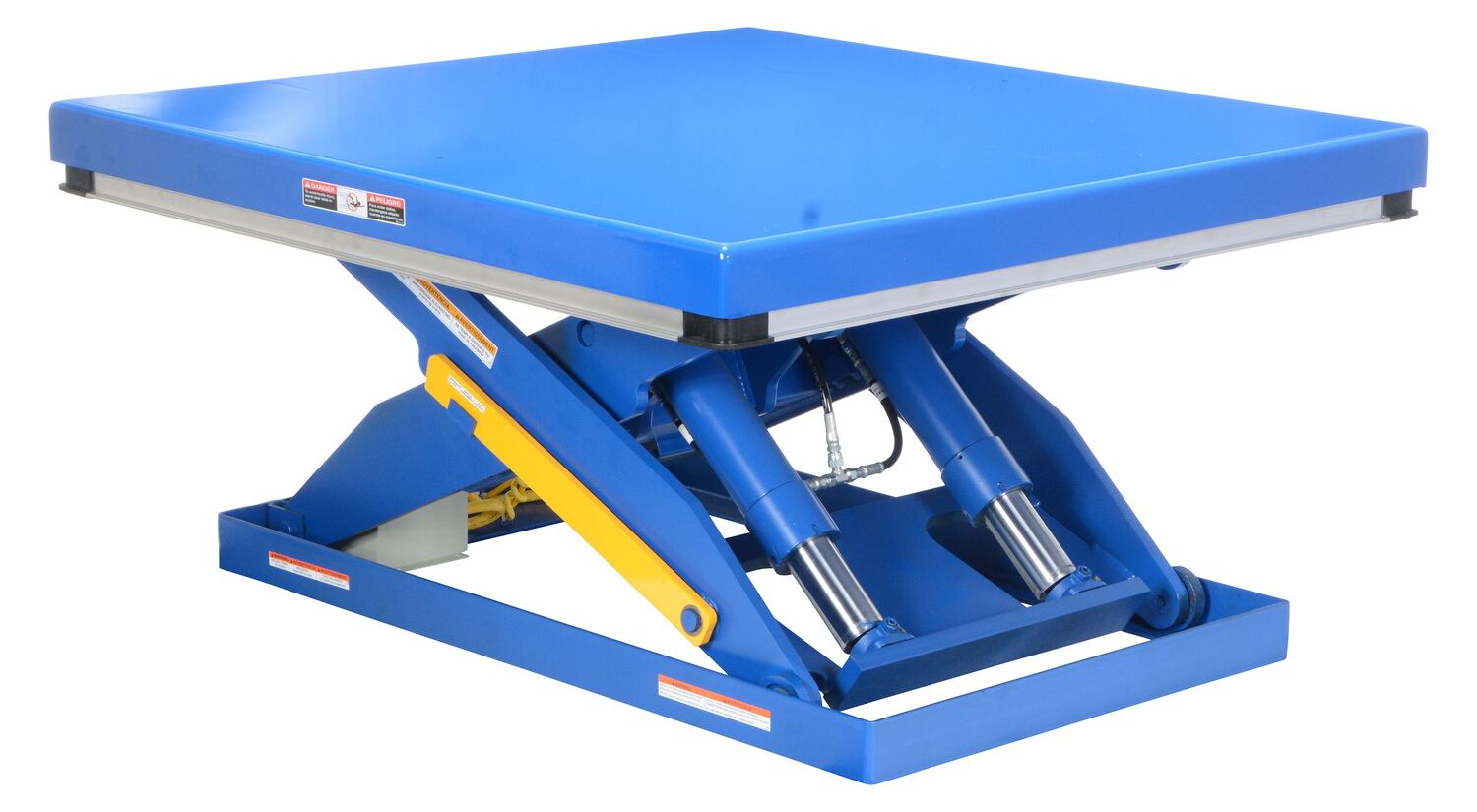
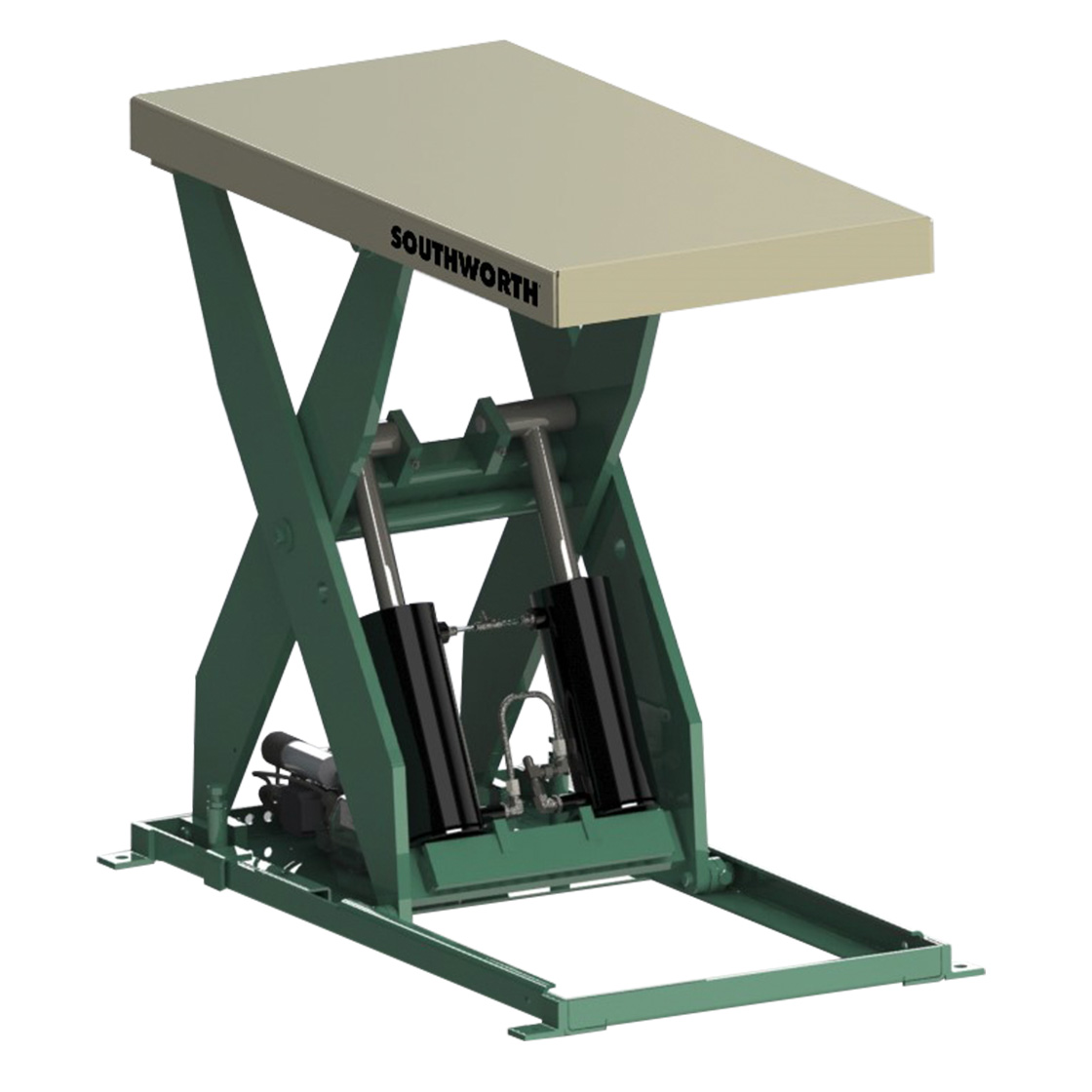
Multi-angle views of the Bishamon BS30 Tilt-Top Lift Table Positioner. Click any image to zoom.
Watch the Bishamon BS30 Tilt-Top Lift Table Positioner in action — full installation and operation demo.
Hydraulic lift tables use a scissor mechanism powered by electric or manual hydraulics to raise a work platform to ergonomic working height. Electric models use push-button controls; manual models use a foot-pedal pump. Both types hold height via a self-locking internal valve.
🔌 Power & Control
Electric models: plug into the rated power supply (110V single-phase or 208-240V 3-phase as specified). Press and hold the "Up" button to raise; press "Down" to lower at controlled speed. Manual models: pump the foot pedal to raise, rotate the release valve to lower.
📐 Height Setting
For ergonomic workstations, set the platform height so the work surface is at elbow height when standing with arms relaxed at sides. This is the NIOSH-recommended working height for minimizing back and shoulder strain. For seated work, set the platform 1–2 inches above the seated elbow height.
🔒 Self-Locking Valve
The internal counterbalance valve holds the platform at any set height even if power is lost. The platform will not creep down under static load. To lower, you must actively press the lower button (electric) or open the release valve (manual) — there is no gravity-descent bypass.
⚠️ Safety Toe Guard
On units with safety toe guards: the platform stops descending immediately if the toe guard contacts an obstruction. Clear the area under the platform before lowering. Regularly inspect the toe guard switch/bar to confirm it's functioning — test it monthly by placing a soft object under the platform and pressing lower.
⚙️ ANSI/ASME MH29.1 Standard
Industrial lift tables must meet ANSI/ASME MH29.1 (Safety Standard for Low Lift and High Lift Trucks) or the equivalent lift table standard. This covers load ratings, hydraulic system safety factors, platform stability, and toe guard requirements. Compliance is mandatory for OSHA-regulated workplaces.
🔒 Self-Locking Counterbalance Valve
The internal counterbalance valve prevents platform descent under static load even if the hydraulic pump or power fails. This is a critical safety device — verify it is present and functional by raising the table, shutting off power, and confirming the platform holds position. A table that creeps down when power is off has a failed valve and must be taken out of service.
🛡️ Safety Toe Guard
OSHA 29 CFR 1910.212 requires mechanical safeguarding to prevent workers from placing extremities under descending pinch points. The safety toe guard — a spring-loaded bar around the platform perimeter — automatically stops descent when it contacts an obstruction. Test monthly. If the toe guard does not stop the table when activated, the safety circuit must be repaired before the table is returned to service.
📐 OSHA Ergonomic Compliance
OSHA's ergonomics guidelines (1990 proposed standard and the NIOSH lifting equation) recommend adjustable workstation height as the primary intervention for reducing musculoskeletal injuries from fixed-height work. Lift tables used as ergonomic workstations should be periodically adjusted to each operator's elbow height — this is the OSHA-recommended measurement for standing work surface height.
How does this compare?
Tilt vs. no-tilt lift tables: the tilt function matters for assembly work where the operator needs to see the part surface clearly — electronics board work, small component assembly, and parts kitting all benefit from angling the work surface toward the operator rather than requiring the operator to lean forward. The pneumatic-hydraulic system is the right choice for facilities that already have compressed air distributed throughout the floor (most manufacturing facilities do) — it eliminates electrical installation costs and simplifies the installation to a single air connection.
No reviews yet
Be the first to share your experience with this product.
You Might Also Like