
CoachLift RV 4-Post Platform Lift 15,000 lb
Class A through Class C. Full access, front to rear.
15,000 lb RV/motorhome platform lift. 240-inch runways, Class A–C clearance, 42-inch service height, dual power units with equalization.
- 15,000 lb rated capacity
- 240” runways (longest production motorhomes)
- 84” wide platform
- 42” service height — full underbelly access
- Dual 220V power units with cable equalization
- Approach ramps rated 8,500 lbs per axle
- Rear-heavy load equalization system
- Side technician walkways included
✓ In Stock — Ships in 5-10 business days
Request a Quote
We respond within 24 hours — pricing, availability & shipping included
Quote Request Received
Thanks! We'll get back to you within 24 hours with pricing, availability, and shipping details for the CoachLift RV 4-Post Platform Lift 15,000 lb.
| Power | Dual 220V single-phase, 2 HP each |
| Capacity | 15,000 lbs |
| Warranty | 5 years structural, 2 years power units |
| Unit Weight | 4,200 lbs |
| Equalization | Cable-driven |
| Platform Size | 240” x 84” |
| Vehicle Class | Class A, B, C motorhomes |
| Service Height | 42” |
| Approach Ramp Rating | 8,500 lbs per axle |
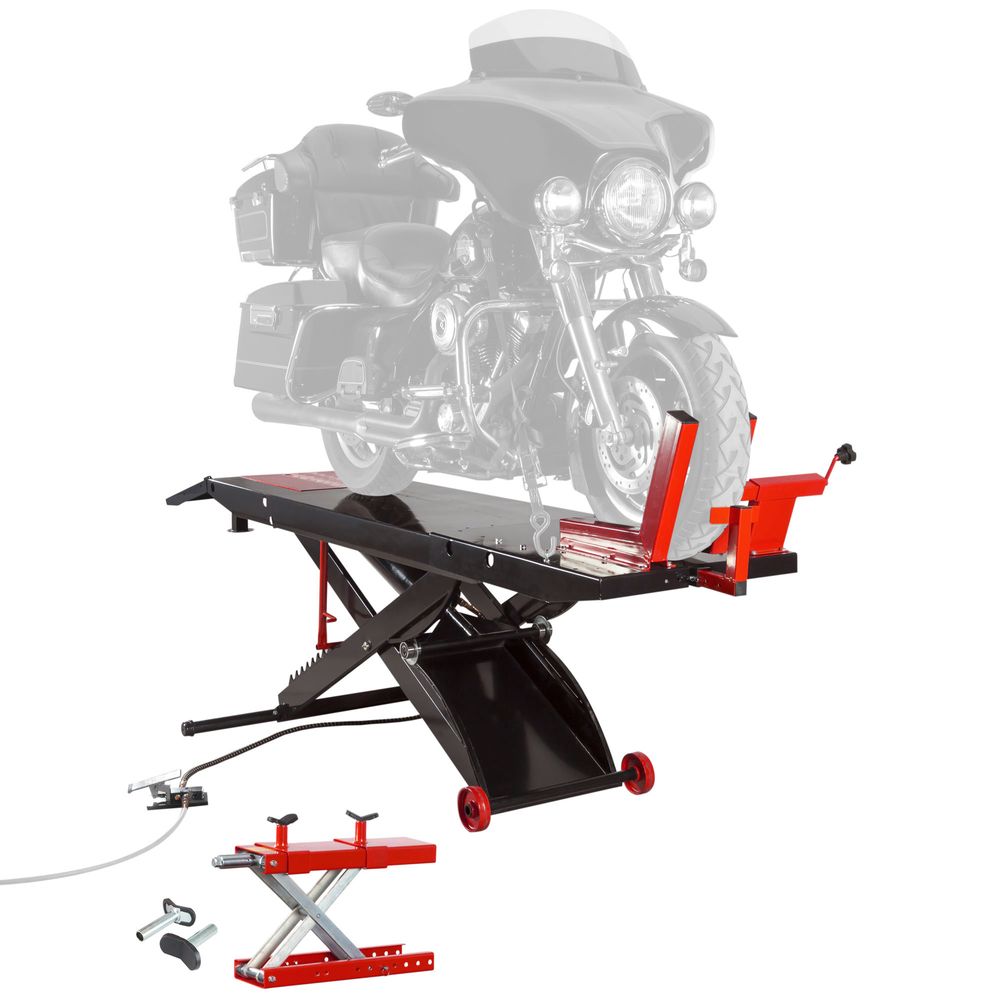
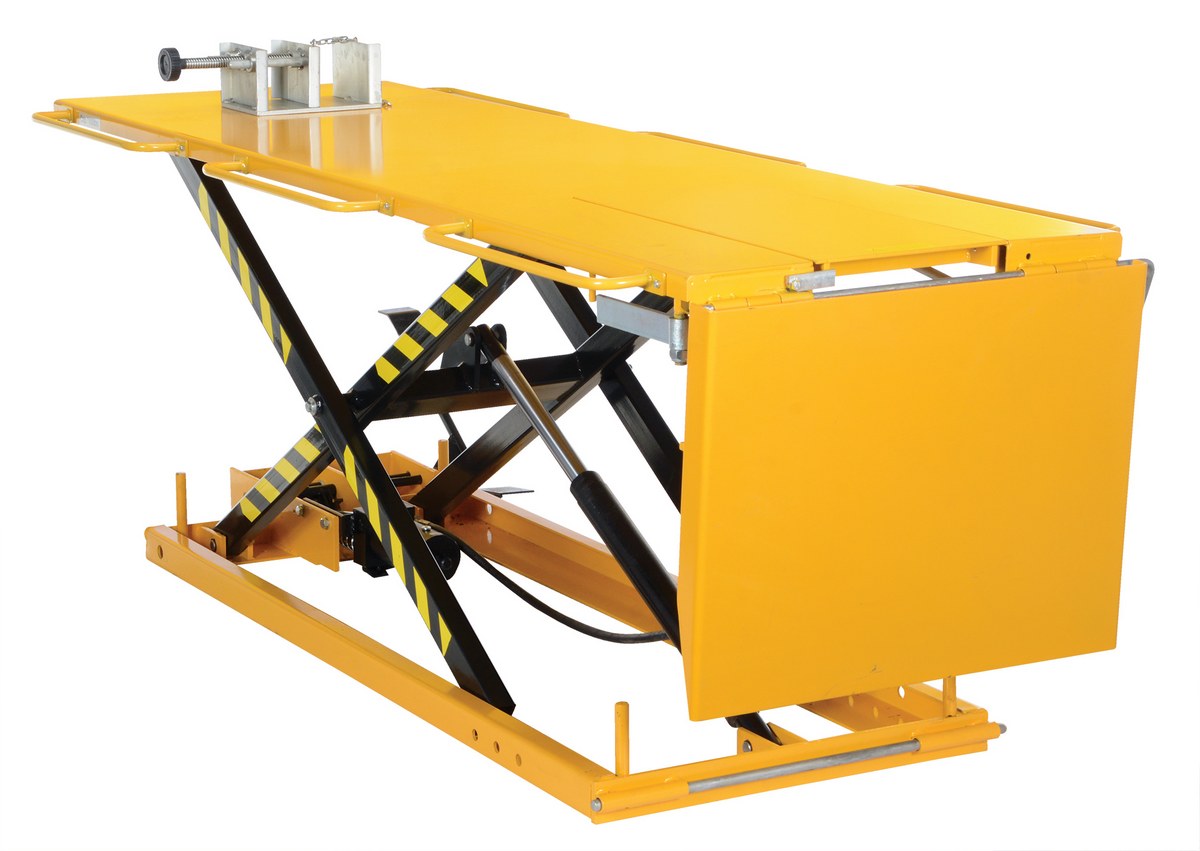
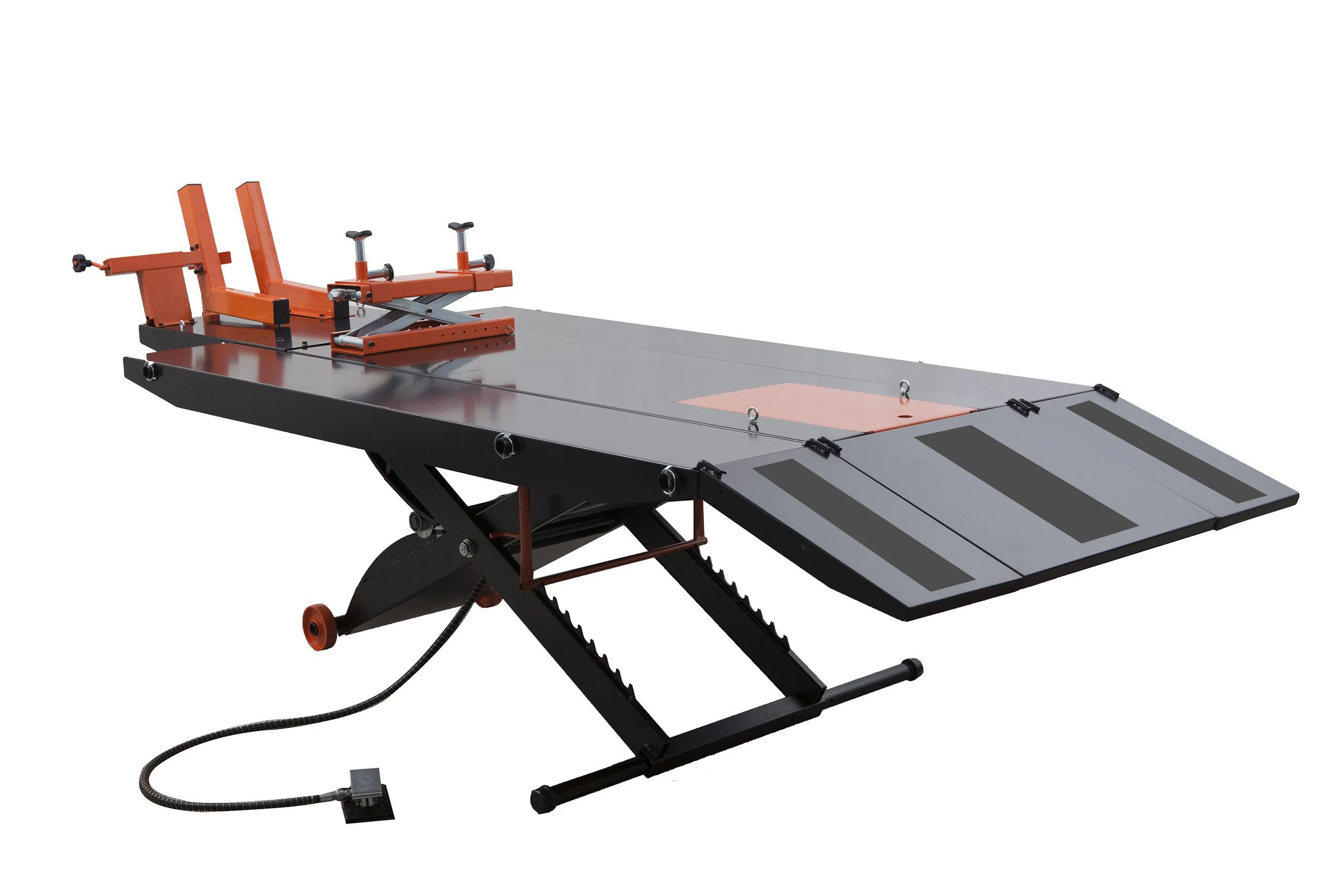
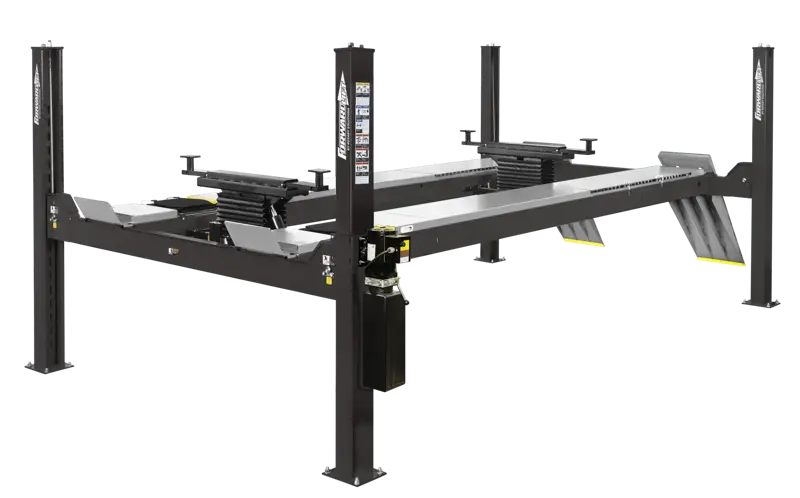
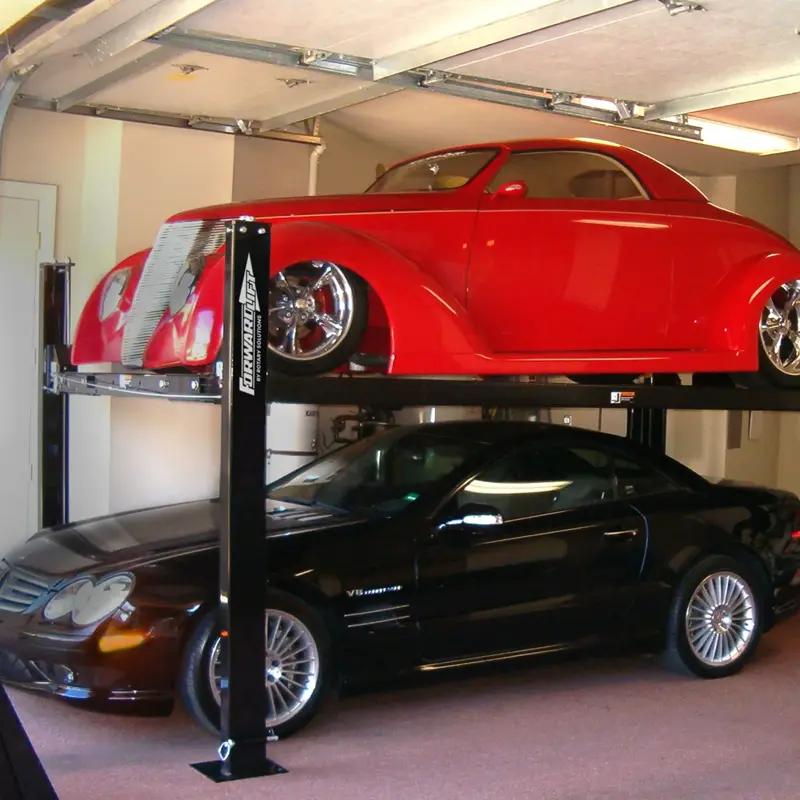
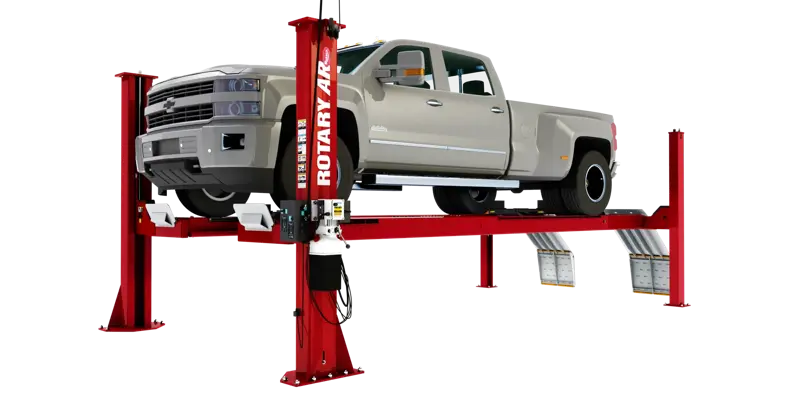
Multi-angle views of the CoachLift RV 4-Post Platform Lift 15,000 lb. Click any image to zoom.
Watch the CoachLift RV 4-Post Platform Lift 15,000 lb in action — full installation and operation demo.
RV and motorhome platform lifts are extended four-post systems designed for the length, width, and weight of Class A and Class C coaches. Drive-on operation with standard RV air brakes engaged.
Drive-On Loading
Extended runways (typically 22'–28') accommodate full-size motorhomes. Drive in straight, apply air or hand brakes, shut off the engine. The platform supports the full vehicle weight across the runway surface.
Power System
Three-phase or high-amperage single-phase electric-hydraulic system raises the platform. The control pendant is tethered and can be operated from outside the lift perimeter. Raise and lower with a single toggle.
Slide-Out Clearance
The runway width on most RV lifts is sized to allow partial slide-out extension at height for interior access. Check your model's clearance specs before extending slides on the lift.
Safety Locks
Heavy-duty safety latch bars engage in the lock ladder at each column. The RV's weight alone cannot disengage the locks. A single pneumatic release button disengages all columns simultaneously for lowering.
⚙️ Heavy-Duty Position Locks
Safety latch bars in each column engage at every lift position. The RV's weight alone cannot dislodge the latches — they require a positive pneumatic or manual release to retract before the platform can be lowered.
🔗 Extended-Length Cable Redundancy
Four cables, each individually rated above the full lift capacity, run the length of the column. Should any cable develop slack or break, a slack-detection system halts the lift immediately.
📐 Leveling Indicators
Column-mounted level indicators show relative height on each post during lift. If a column gets ahead by more than 1/2", the operator can see it immediately and stop to investigate before a tilt becomes dangerous.
🛡️ Runway End Stops
Heavy steel bumper stops at both runway ends prevent the vehicle from rolling off the platform at any height. For RVs with weak air brakes, always chock the tires on the runways before raising.
How does this compare?
RV chassis service is fundamentally different from passenger vehicles. The overhang, weight distribution, and wheelbase make standard lifts a liability. The CoachLift is designed around actual RV chassis specs — 240” runways cover everything from a Class C on a Ford E-350 to a 45’ Class A diesel pusher. The equalization system handles the rear-heavy weight distribution that comes standard with a slide-out coach.
No reviews yet
Be the first to share your experience with this product.
You Might Also Like