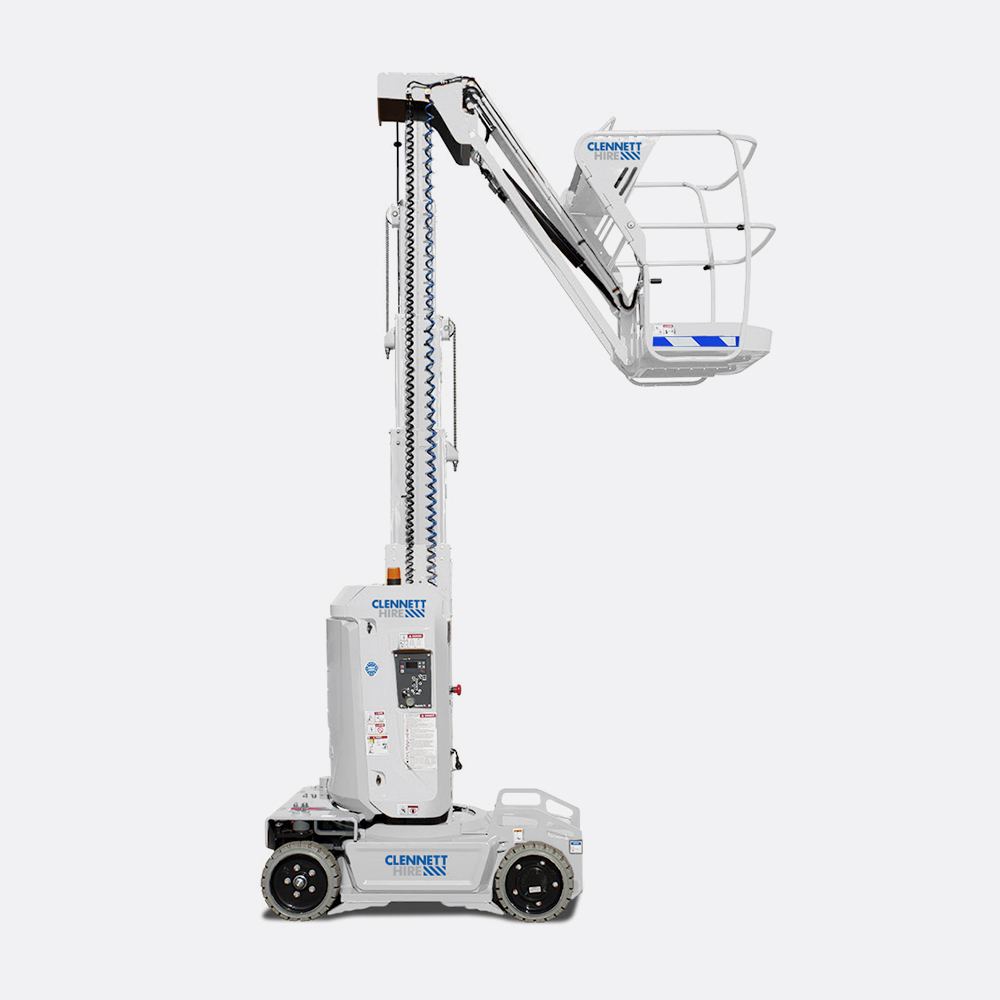
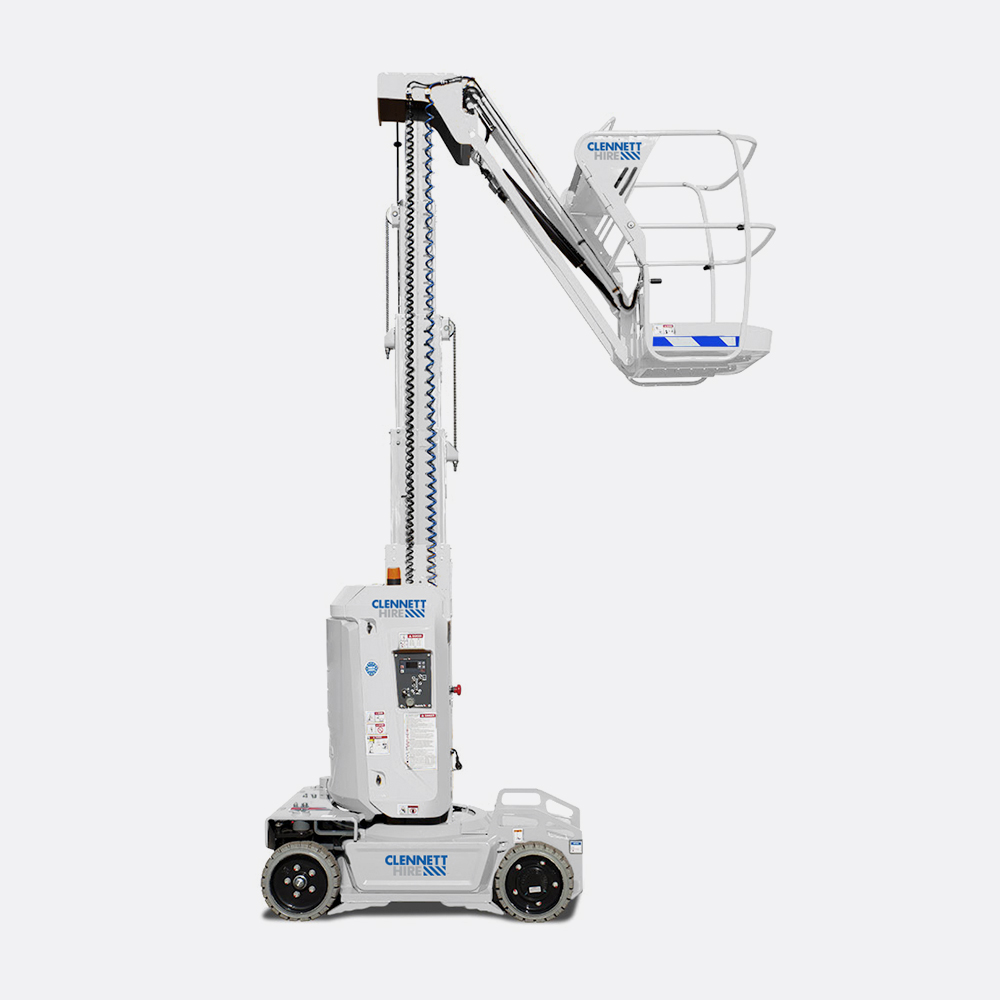
JLG 20MVL Self-Propelled Vertical Mast Lift
Drive at height. Reposition without lowering. The one for high-volume facility work.
Self-propelled vertical mast lift. 20-ft platform height, drive-at-height capability, 500 lb capacity (2 workers), 31-inch width, auto-deploying outriggers.
- 20 ft platform height (26 ft working height)
- 500 lb capacity — two workers with tools
- Self-propelled drive at height — reposition without lowering
- 31-inch overall width — fits through commercial door openings
- 24V DC all-wheel-steer — zero-turn in tight spaces
- Auto-deploying outriggers — no manual setup
- Platform and ground control stations standard
- Folding guard rail for easy platform access
✓ In Stock — Ships in 5-10 business days
Request a Quote
We respond within 24 hours — pricing, availability & shipping included
Quote Request Received
Thanks! We'll get back to you within 24 hours with pricing, availability, and shipping details for the JLG 20MVL Self-Propelled Vertical Mast Lift.
| Model | 20MVL |
| Outriggers | Auto-deploying, 4-point |
| Drive System | 24V DC electric, all-wheel steer |
| Manufacturer | JLG Industries |
| Overall Width | 31 inches (0.79 m) |
| Platform Size | 28" × 50" (0.71 m × 1.27 m) |
| Certifications | ANSI/SAIA A92.3, CE EN 1570-1, CSA B354 |
| Machine Weight | 1,875 lbs (850 kg) |
| Working Height | 26 ft (7.92 m) |
| Battery Runtime | 8 hours |
| Max Drive Grade | 20% |
| Platform Height | 20 ft (6.10 m) |
| Platform Capacity | 500 lbs (227 kg) |
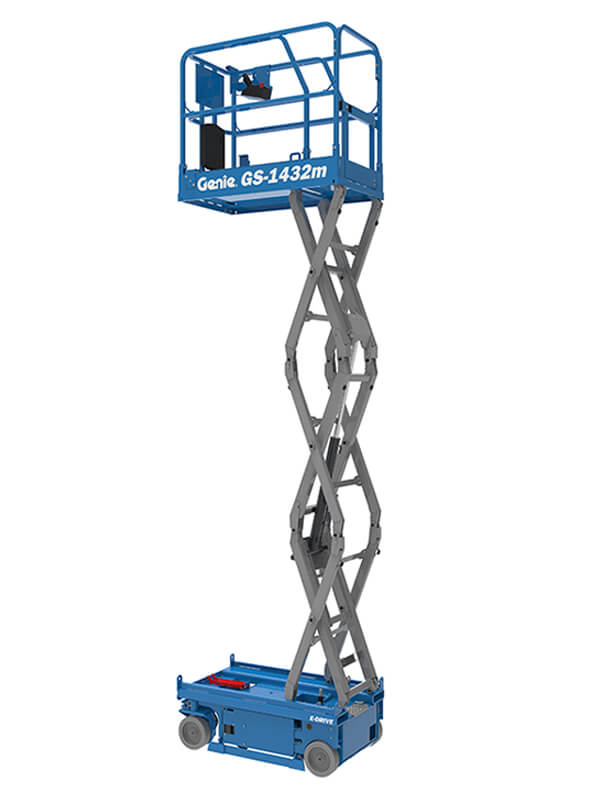
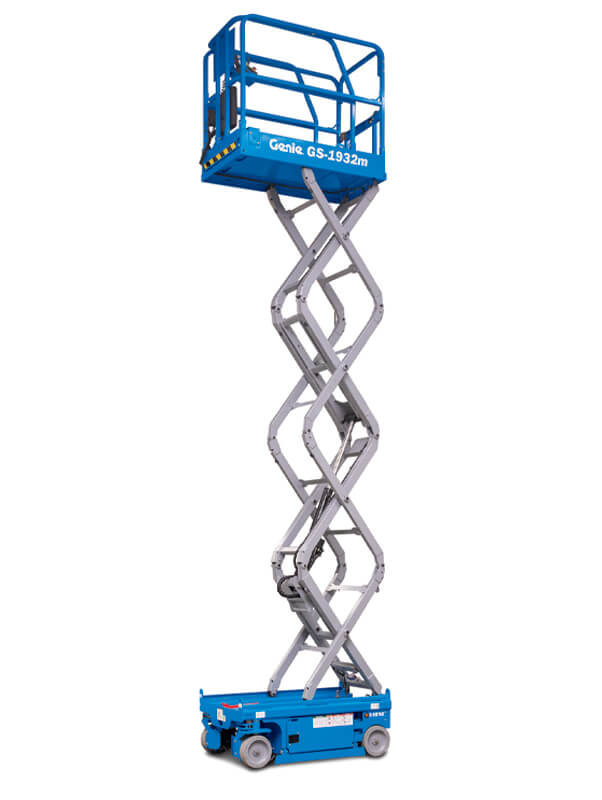
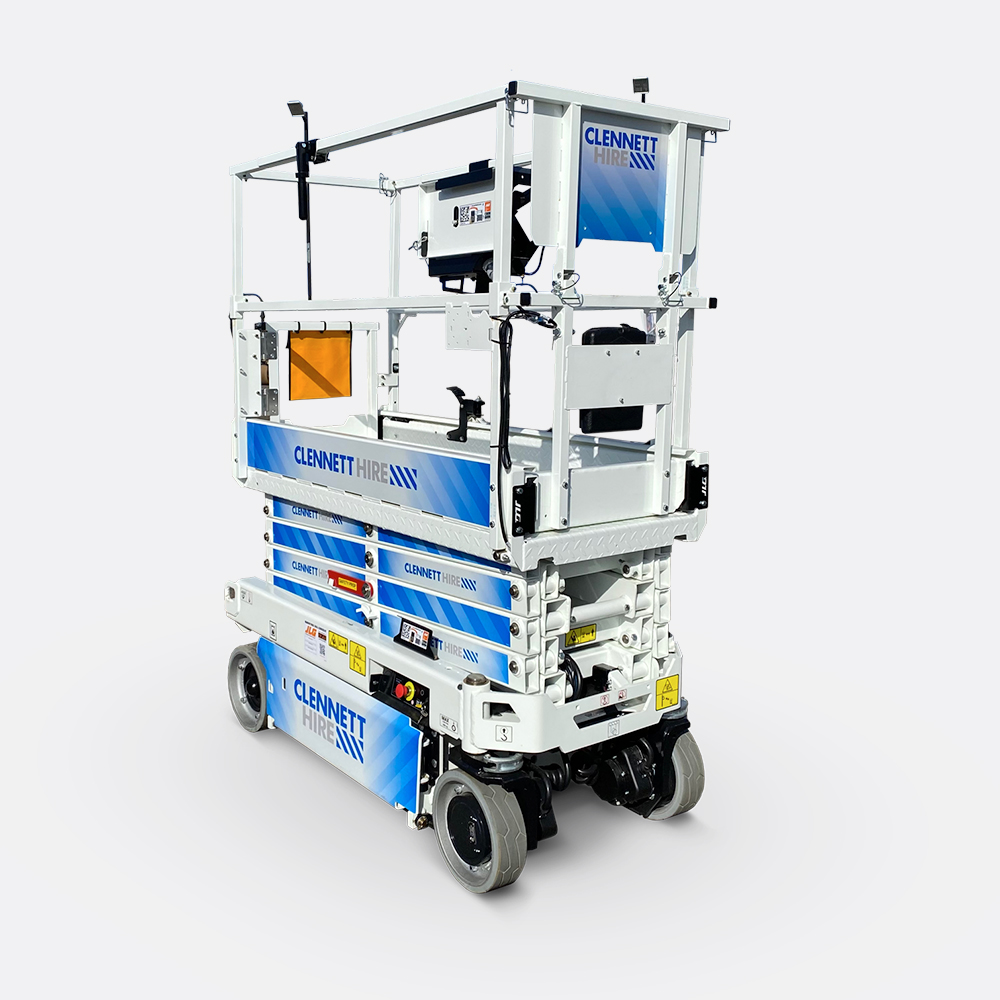
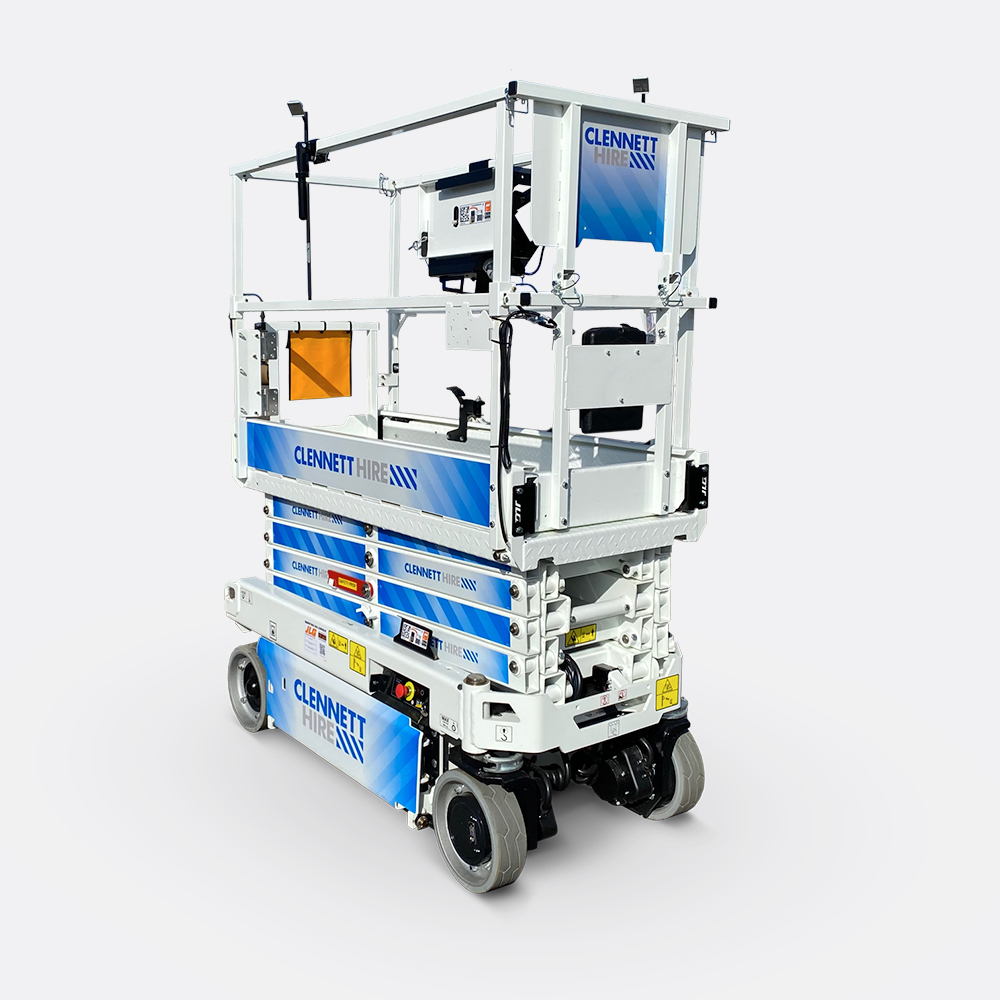
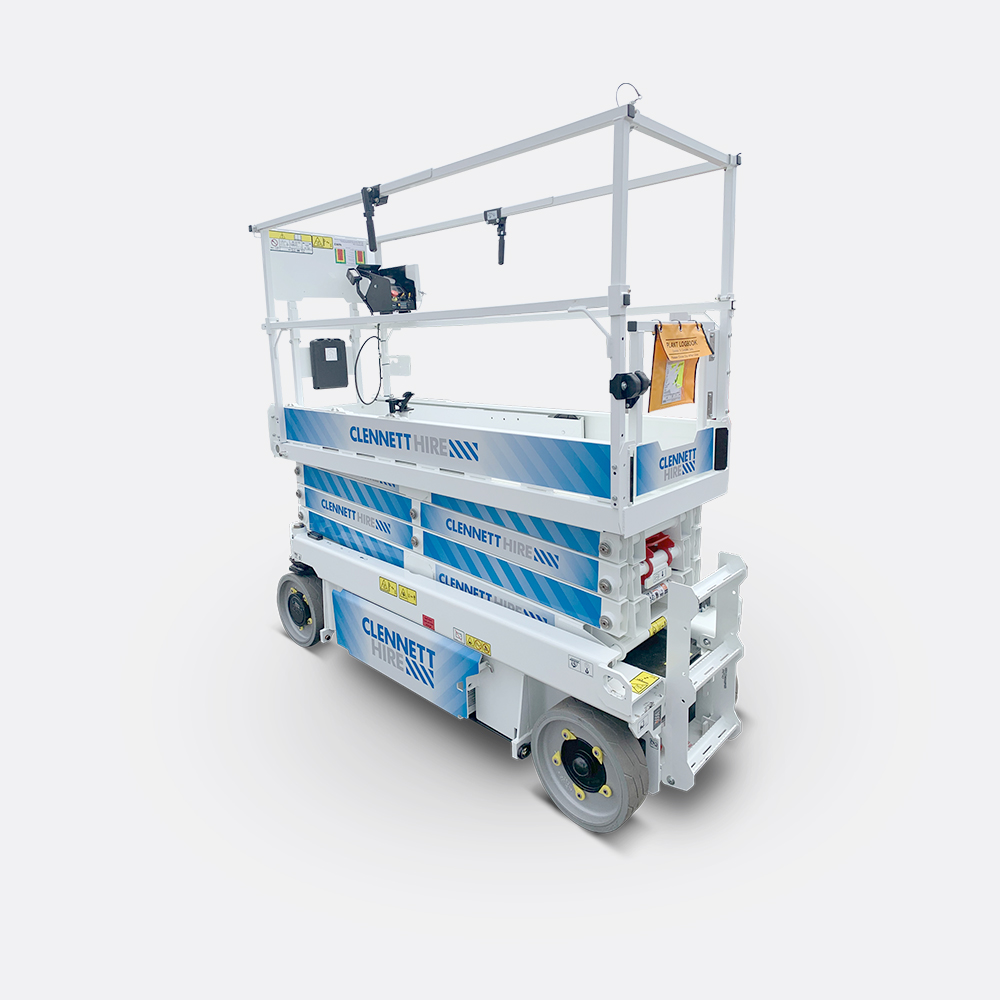
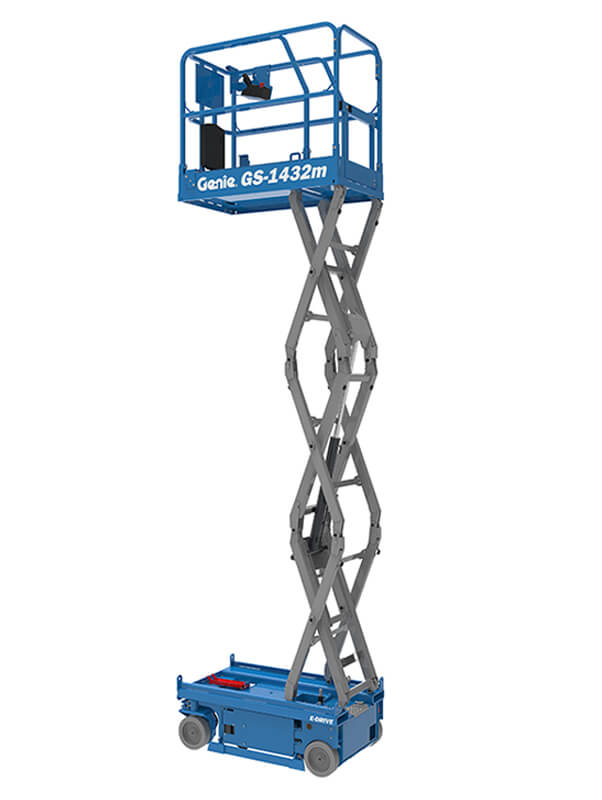
Multi-angle views of the JLG 20MVL Self-Propelled Vertical Mast Lift. Click any image to zoom.
Watch the JLG 20MVL Self-Propelled Vertical Mast Lift in action — full installation and operation demo.
⚙️ Full-Cage Platform with D-Ring Anchor
Full-perimeter cage with self-closing positive-latch gate meets OSHA 1910.29 and ANSI/SAIA A92.3 fall protection requirements. Operators must wear a full-body harness with a lanyard connected to the D-ring fall arrest anchor at all times while elevated — the anchor is rated for the full OSHA 5,000 lb fall arrest load.
🔒 Tilt / Slope Interlock
An electronic inclinometer prevents mast extension on slopes beyond the rated threshold. If the machine moves onto an unlevel surface while elevated, all motion halts immediately. On push-around units, the interlock also prevents outrigger-free ascent — the machine cannot be "tilted up" by lifting a foot.
📐 Mechanical Outrigger Interlock
All four outrigger feet must confirm floor contact before the mast will ascend above the low-profile travel position. This interlock is implemented in the hydraulic circuit on most models — not software — making it physically impossible to bypass without mechanical modification.
🛡️ Emergency Descent System
A gravity-fed or mechanical emergency descent system lowers the mast to ground level without electrical power. The emergency descent valve is accessible from outside the cage and clearly labeled. All personnel lift operators must know the location and operation of the emergency descent before use.
How does this compare?
Self-propelled vs. push-around: the productivity math is simple. If a task requires 20+ repositioning moves per shift, a self-propelled unit saves 2-3 minutes per move by eliminating the lower-push-re-ascend cycle — that's 40-60 minutes of productive time per shift. The 20MVL's auto-deploying outriggers further speed setup. For single-location tasks, push-arounds are more economical. For high-movement facility work — LED retrofit projects, annual sprinkler inspections, long corridor maintenance — the self-propelled unit earns its premium back quickly.
No reviews yet
Be the first to share your experience with this product.
You Might Also Like