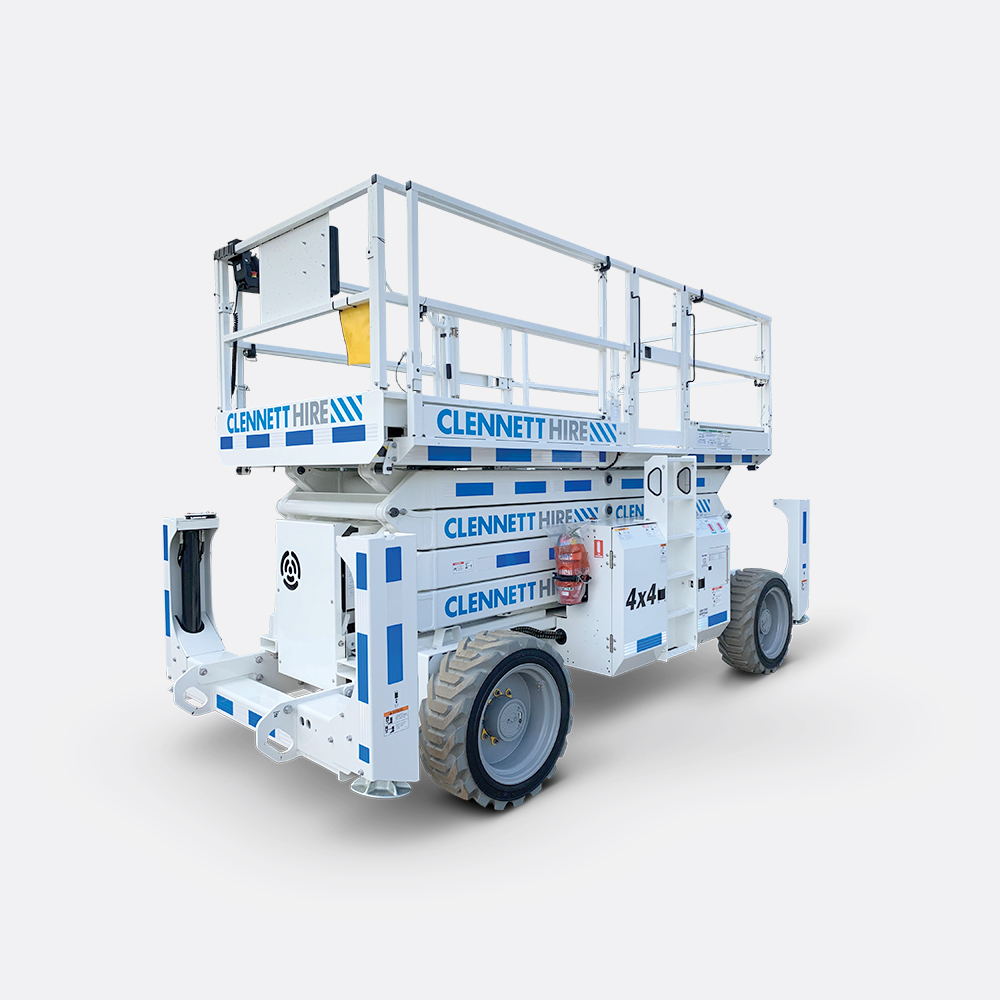
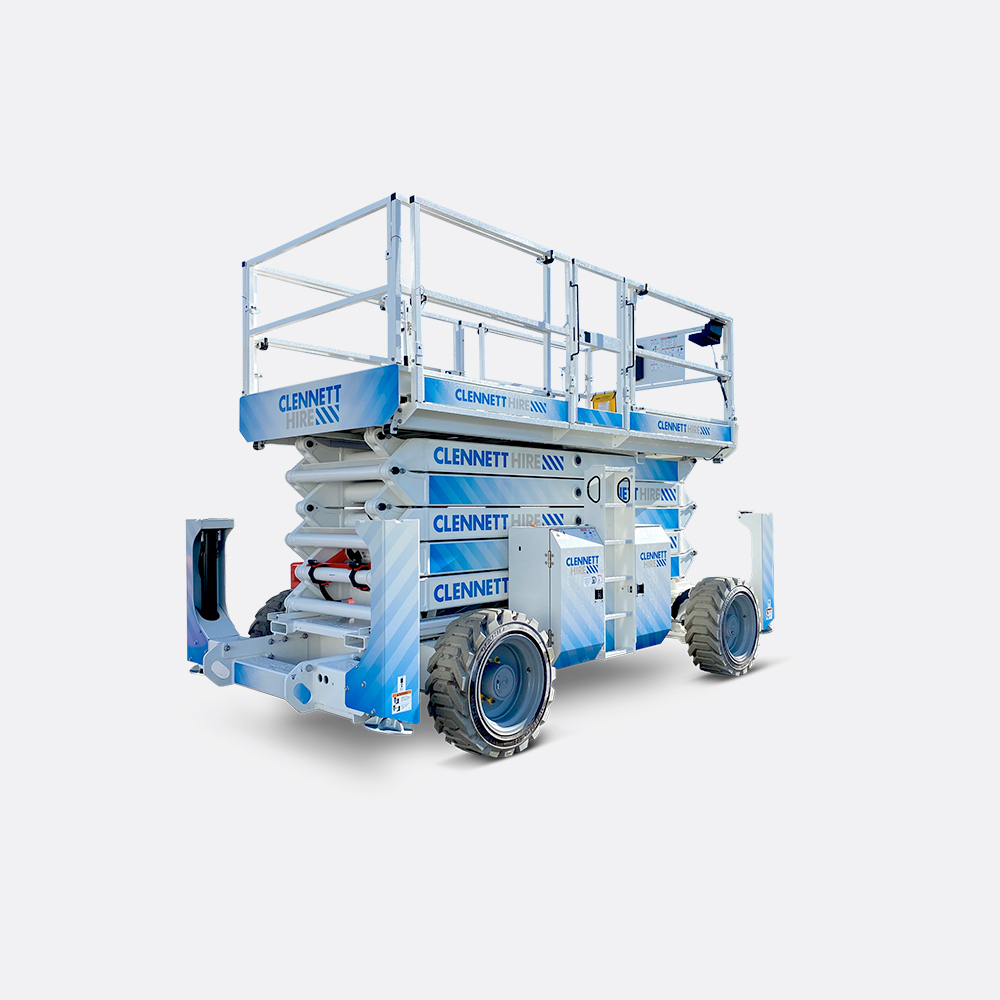
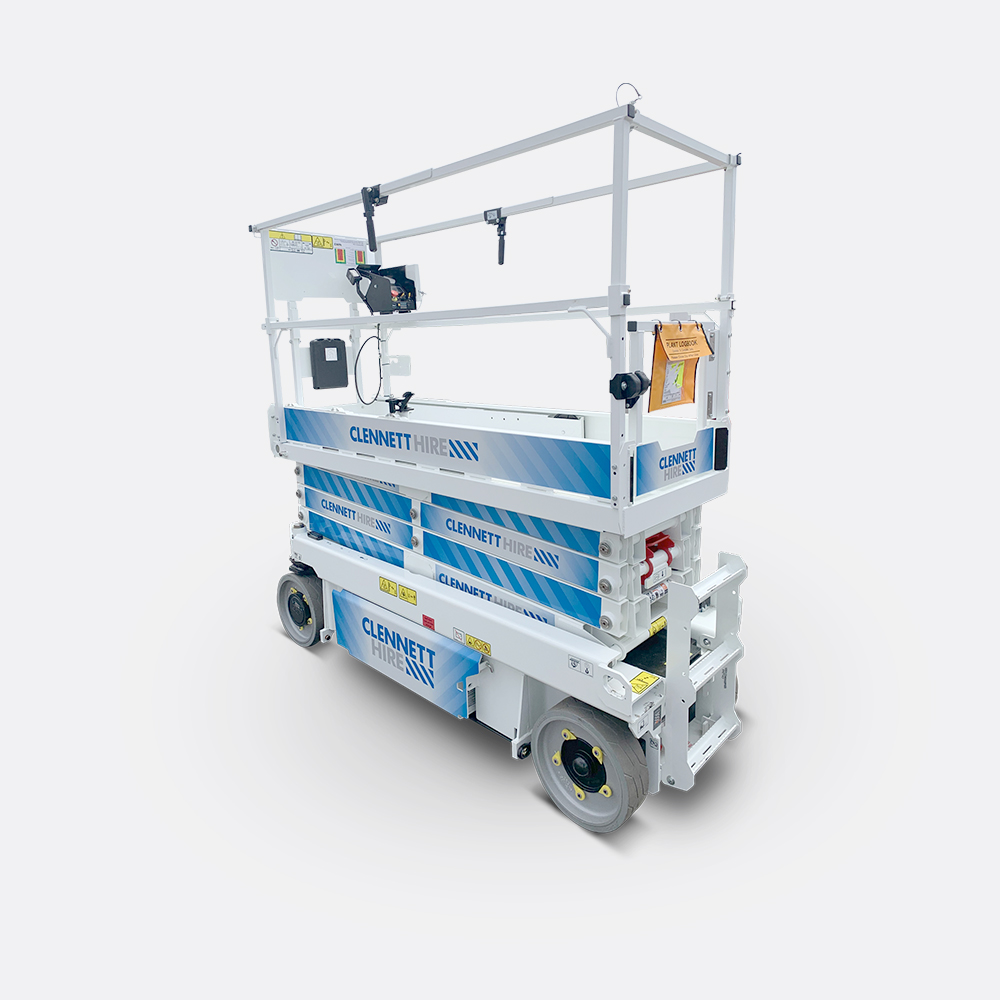
RoughRider 26D Rough Terrain Scissor Lift
Diesel power, pneumatic tires, outdoor grade. Built for the site.
26-foot rough terrain diesel scissor lift. 1,500 lb capacity, 4WD with pneumatic tires, 40% grade, built for outdoor construction sites.
- 26 ft platform height (32 ft working height)
- 1,500 lb rated capacity
- 4WD rough terrain drive with all-terrain pneumatic tires
- 40% maximum side slope / 45% gradeability
- 50 HP diesel engine — operates in any temperature
- Oscillating front axle — 4-wheel ground contact on rough terrain
- 36-inch pull-out platform extension
- Two-speed drive: travel mode and precision creep mode
✓ In Stock — Ships in 5-10 business days
Request a Quote
We respond within 24 hours — pricing, availability & shipping included
Quote Request Received
Thanks! We'll get back to you within 24 hours with pricing, availability, and shipping details for the RoughRider 26D Rough Terrain Scissor Lift.
| Drive | 4WD, pneumatic all-terrain tires |
| Engine | Diesel, 50 HP |
| Weight | 13,200 lbs |
| Warranty | 1 year (diesel components), 3 years (structural) |
| Max Grade | 40% side, 45% drive |
| Platform Size | 96" × 60" (+ 36" extension) |
| Working Height | 32 ft |
| Platform Height | 26 ft |
| Oscillating Axle | Yes — ±5° front axle oscillation |
| Platform Capacity | 1,500 lbs |
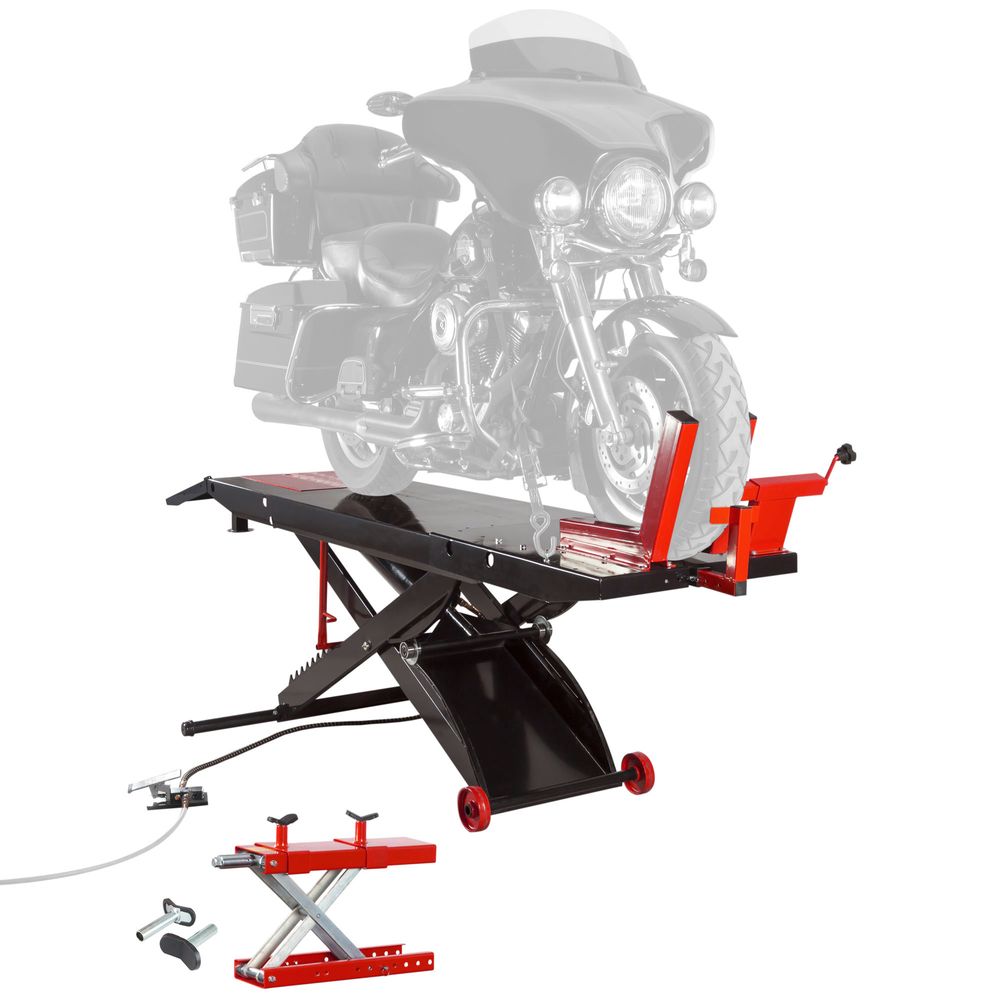
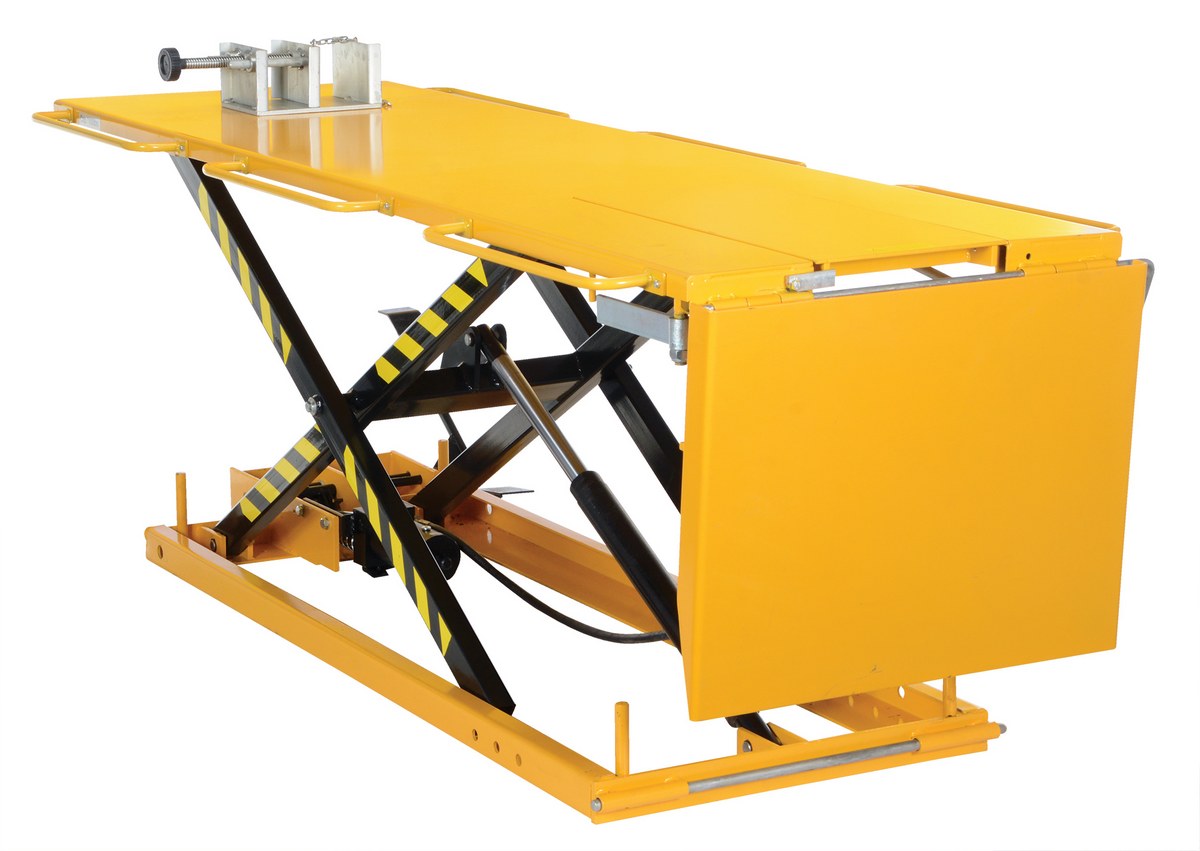
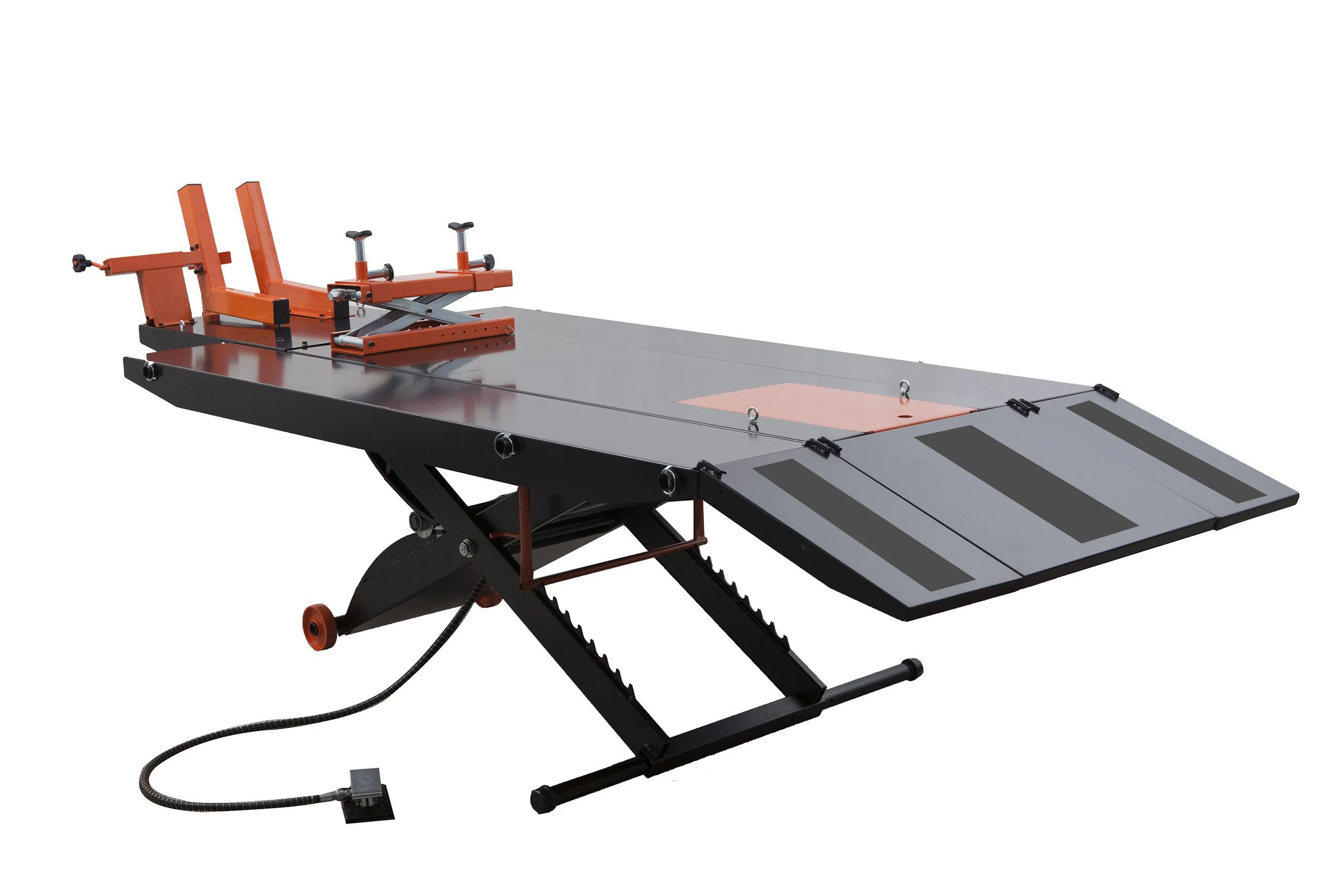
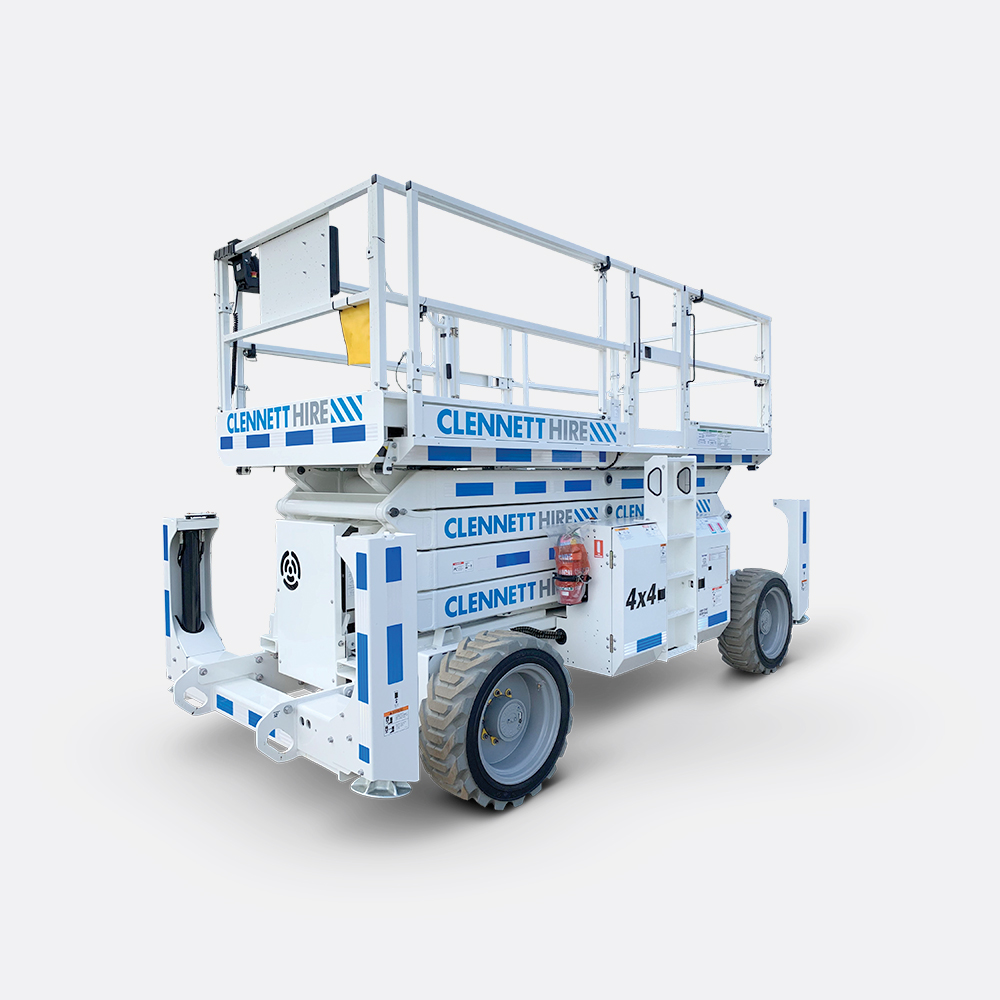
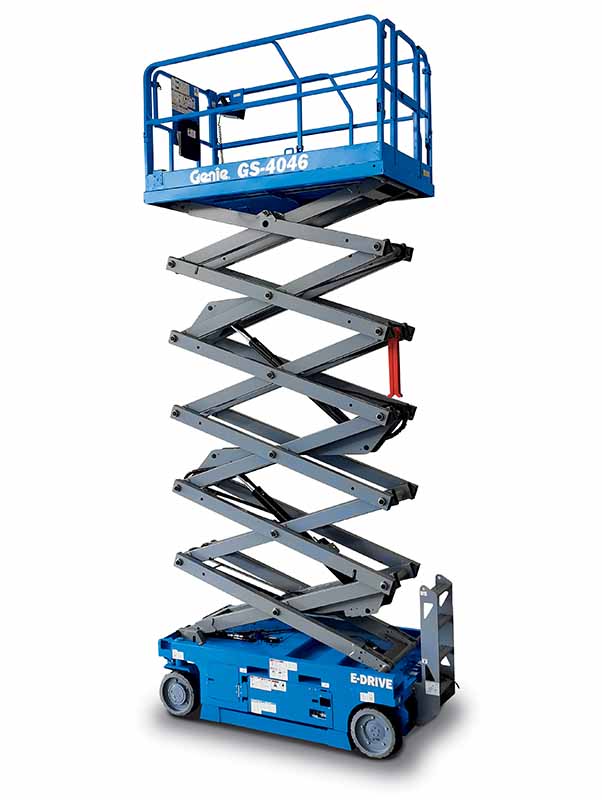
Multi-angle views of the RoughRider 26D Rough Terrain Scissor Lift. Click any image to zoom.
Watch the RoughRider 26D Rough Terrain Scissor Lift in action — full installation and operation demo.
Industrial scissor lifts use a heavy-duty electric-hydraulic scissor mechanism to raise a large work platform to heights from 19 to 40+ feet. Designed for extended use in warehouse, manufacturing, and construction environments.
Platform Controls
A control box on the platform mid-rail operates drive, steering, and lift. The lift/lower lever requires continuous hold-to-run activation — releasing the lever stops motion immediately. Drive speed is automatically limited when elevated.
Pothole Protection
When the platform rises above the pothole protection threshold (typically 24"–36"), the pothole protection bar drops to its lowest position. This prevents the machine from driving over an edge or into a floor opening that would be hidden from the operator's view at height.
Tilt Sensor
An electronic tilt sensor monitors platform level continuously. If the machine is driven onto a slope exceeding the rated angle, motion halts and an alarm sounds. The machine cannot be elevated on a slope beyond its rated incline.
Load Sensing
An on-board load management system monitors platform load. Overloading halts the lift function and displays a fault code. The machine will not raise until load is brought within rating. This protects the scissor mechanism from overload damage.
⚙️ Pothole Protection Bar
A mechanical bar drops to the lowest position when the platform is elevated. If the machine attempts to drive over a floor opening, the bar contacts the edge before the wheel does — halting motion before a tip-over can occur.
📊 Load Management System
On-board sensors monitor total platform load continuously. An overload condition locks out the lift function and displays a fault code. The system resets only when load is reduced to within rating — not resettable by the operator without reducing the load.
🔒 Automatic Tilt Lockout
If a tilt sensor detects the machine has driven onto a slope exceeding the rated angle while elevated, all drive and lift functions lock out. The machine must be lowered before it can be driven to level ground.
🛡️ Platform Guardrails + Gate
Full-height guardrail system exceeds OSHA and ANSI requirements for fall protection. The self-closing entry gate includes a positive latch. All guardrail connection points are bolted, not clip-on, for structural integrity under impact.
How does this compare?
Indoor scissors and outdoor rough-terrain scissors are completely different machines. Indoor electrics can't handle soft ground or steep grades and will get stuck in mud. RT scissors can do outdoor work that indoor machines cannot, but they're heavier, louder, and produce exhaust — not for occupied buildings. If you're splitting time between indoor and outdoor use, a dual-fuel (gas/electric) option exists as a compromise.
No reviews yet
Be the first to share your experience with this product.
You Might Also Like